Notice of Article Publication_Seasonal Journal: Kyo Winter Issue 2025
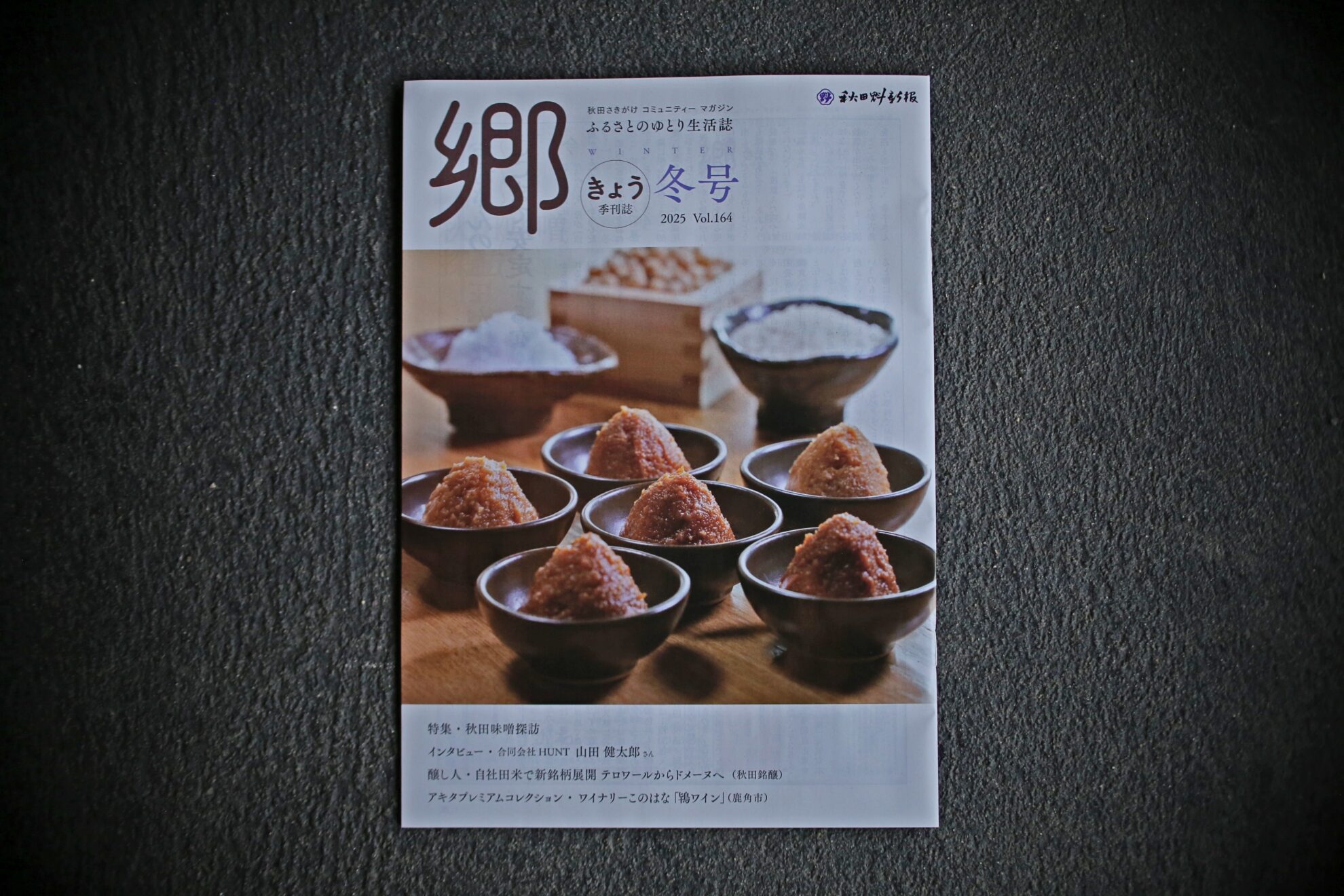
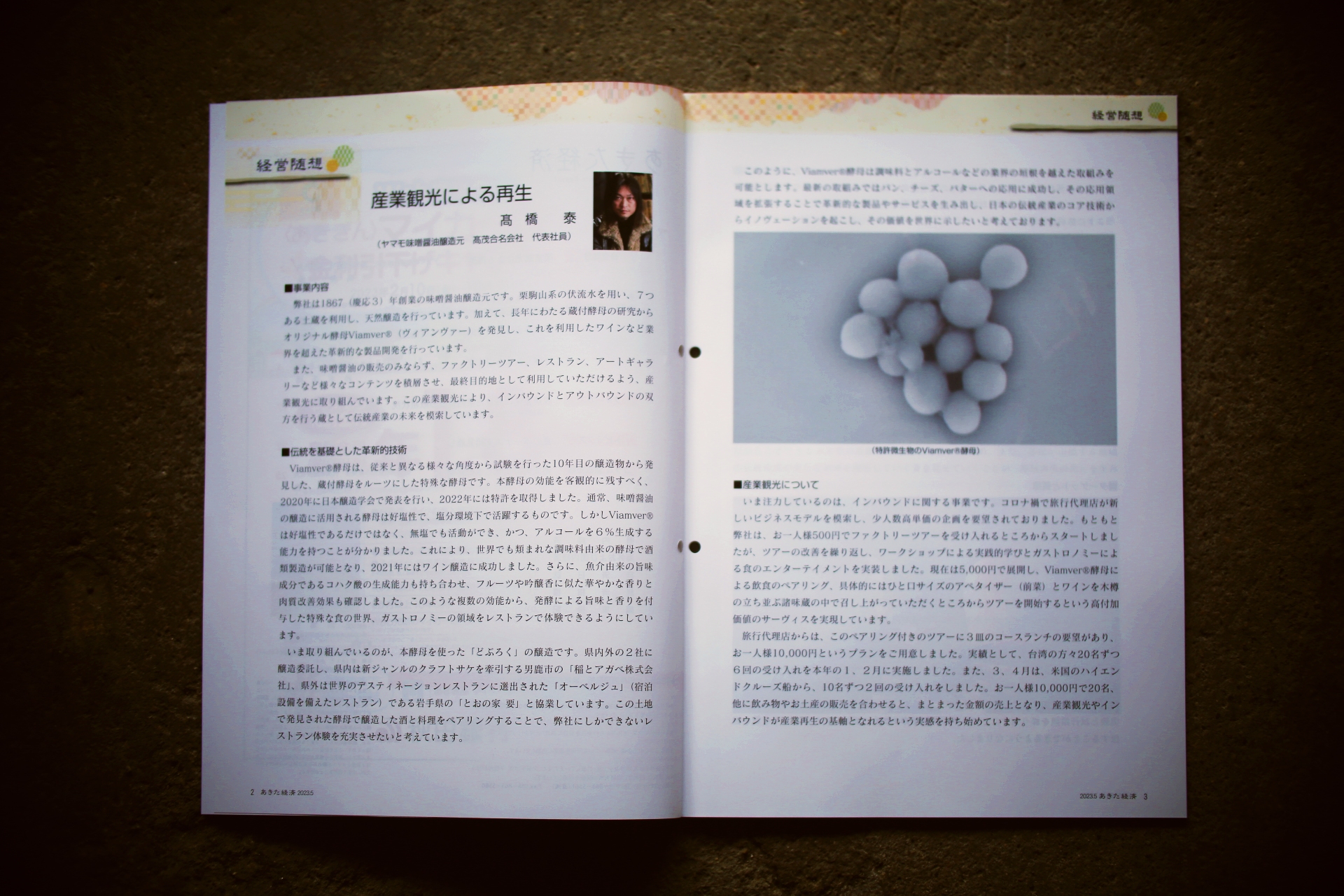
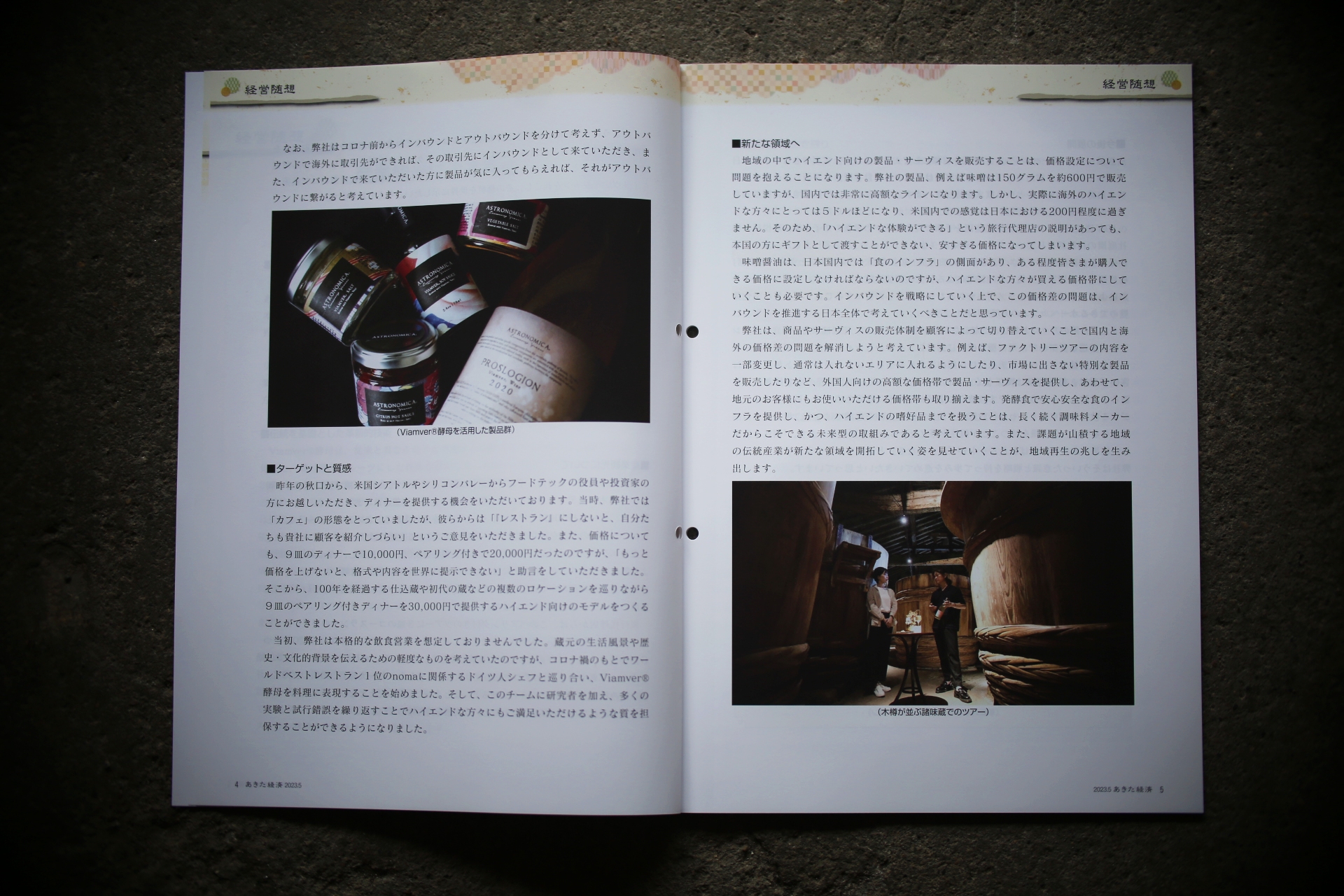
Yamamo’s initiatives were featured in the “Sato” community magazine section of the Akita Sakigake Shinpo newspaper. Immediately after publication, we received inquiries about our products and visitors to our store, highlighting the influence of the local paper and the trust built in the community over many years.
The article introduced our products, from “Yamamo Miso,” which led to the discovery of Viamver® yeast, to our “Fermented Mayonnaise,” developed through further technical advancements. The article also touched on our restaurant service, as well as the whole-house rental accommodation we offer in the renovated, registered cultural property “Hikoshiro Warehouse,” managed by Seiichi Shirai’s grandson, Taro Shiraihara.
We aim to enrich our products and experiential services, allowing guests to experience the values we cherish and the culture rooted in our brewery. We hope you will take a look at the article. _mediainfo._magazine
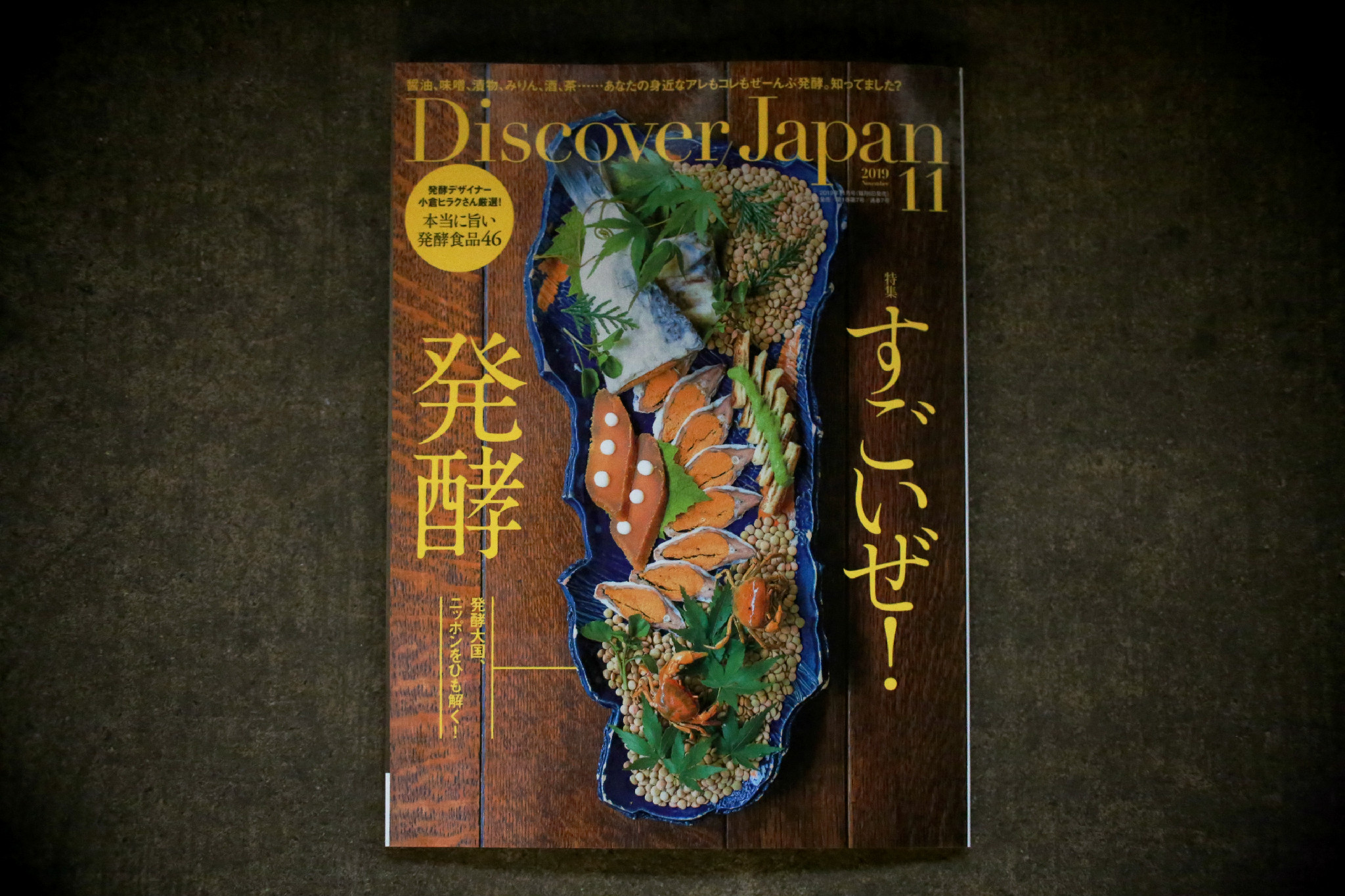
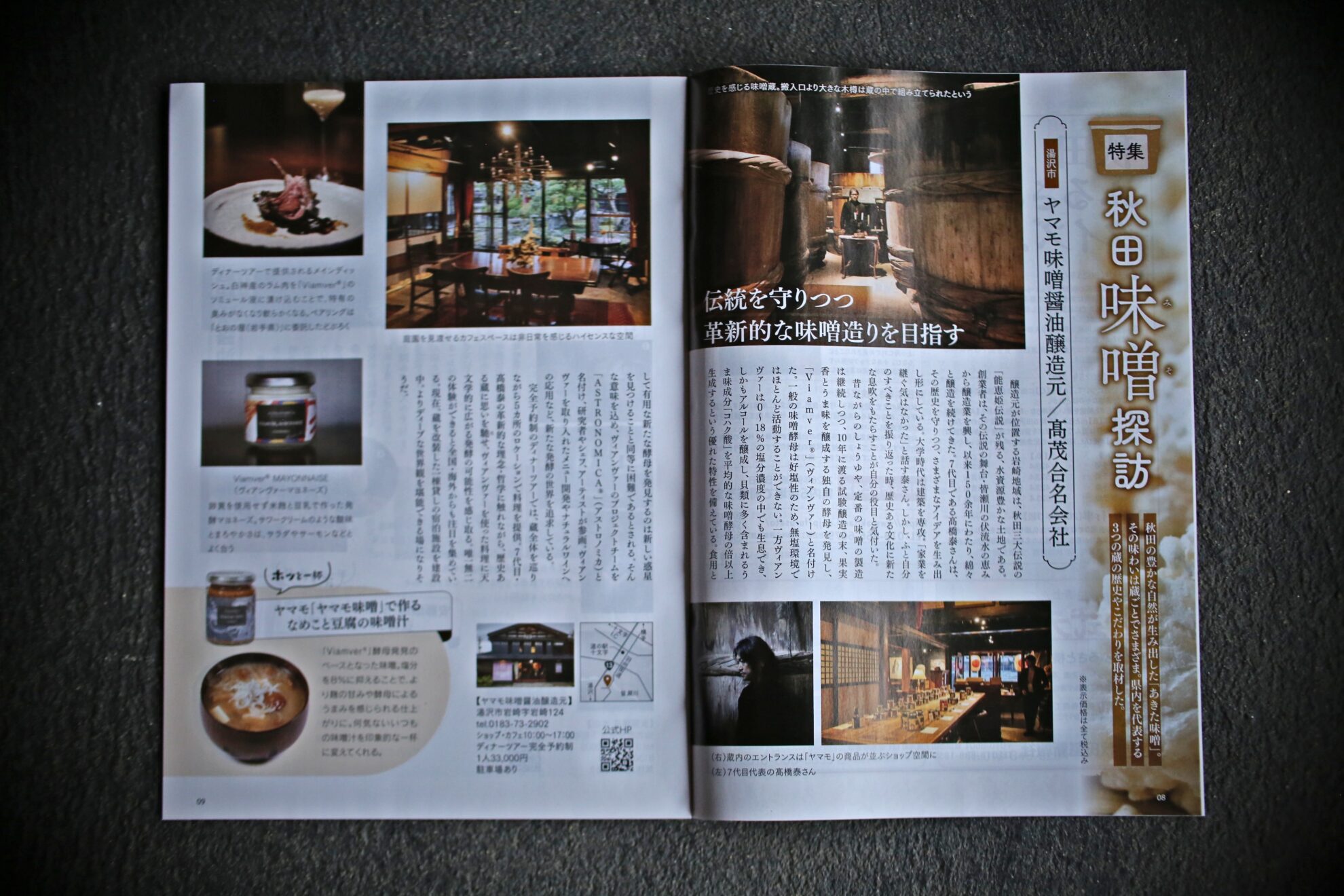
Exploring Akita Miso “Akita Miso,” born from Akita’s rich natural environment. Its flavor varies from brewery to brewery. We explored the history and dedication of three representative breweries within the prefecture.
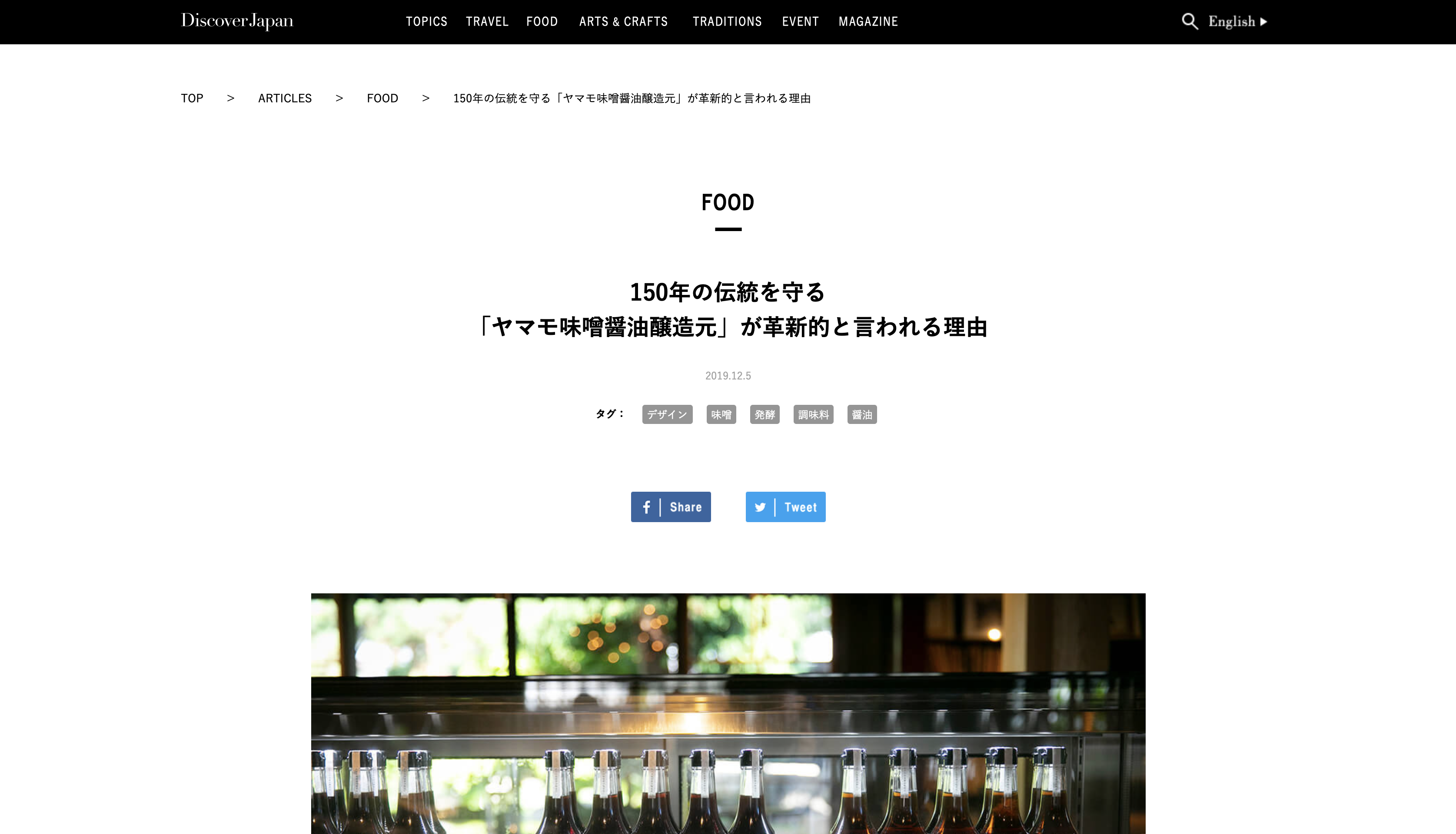
Preserving Tradition While Pursuing Innovative Miso Production
Yuzawa City, Yamamo Brewery / TAKAMO &Corp.
The Iwasaki region, where the brewery is located, is a land rich in water resources, home to the legend of Princess Noe, one of Akita’s three great legends. The founder established the brewing business using the blessings of the underground water of the Minase River, the setting of that legend, and has continued brewing steadily for over 150 years since then. Yasushi Takahashi, the seventh-generation owner, preserves this history while generating and implementing various new ideas. During his university years, he majored in architecture. “I had no intention of taking over the family business,” says Yasushi. However, when he paused to reflect on his purpose, he realized his role was to breathe new life into this historic culture.
While continuing the traditional production of soy sauce and standard miso, after ten years of experimental brewing, we discovered a unique yeast that creates fruity aromas and umami, and named it “Viamver®”. Ordinary miso yeast is halophilic and can hardly function in a salt-free environment. In contrast, Viamver® can survive in a salt concentration of 0–18%, produce alcohol, and generate more than twice the amount of succinic acid—an umami component abundant in shellfish—compared to average miso yeast. Discovering a new yeast useful for food is considered as difficult as finding a new planet. With this meaning in mind, the Viamver® project team was named “ASTRONOMICA®”, which includes researchers, chefs, and artists. They are pursuing new worlds of fermentation through menu development incorporating Viamver® and applications in natural wine.
The fully reservation-based dinner tour offers cuisine at five distinct locations throughout the entire brewery. Guests engage with the innovative philosophy of the 7th generation owner, Yasushi Takahashi, while reflecting on the historic cellar and sensing the astronomically vast potential of fermentation through Viangua-based cuisine. This unique experience has drawn attention from across Japan and overseas. Currently, a renovated cellar building is under construction as an exclusive rental accommodation. It looks like it will become a place where you can fully immerse yourself in a deeper world.
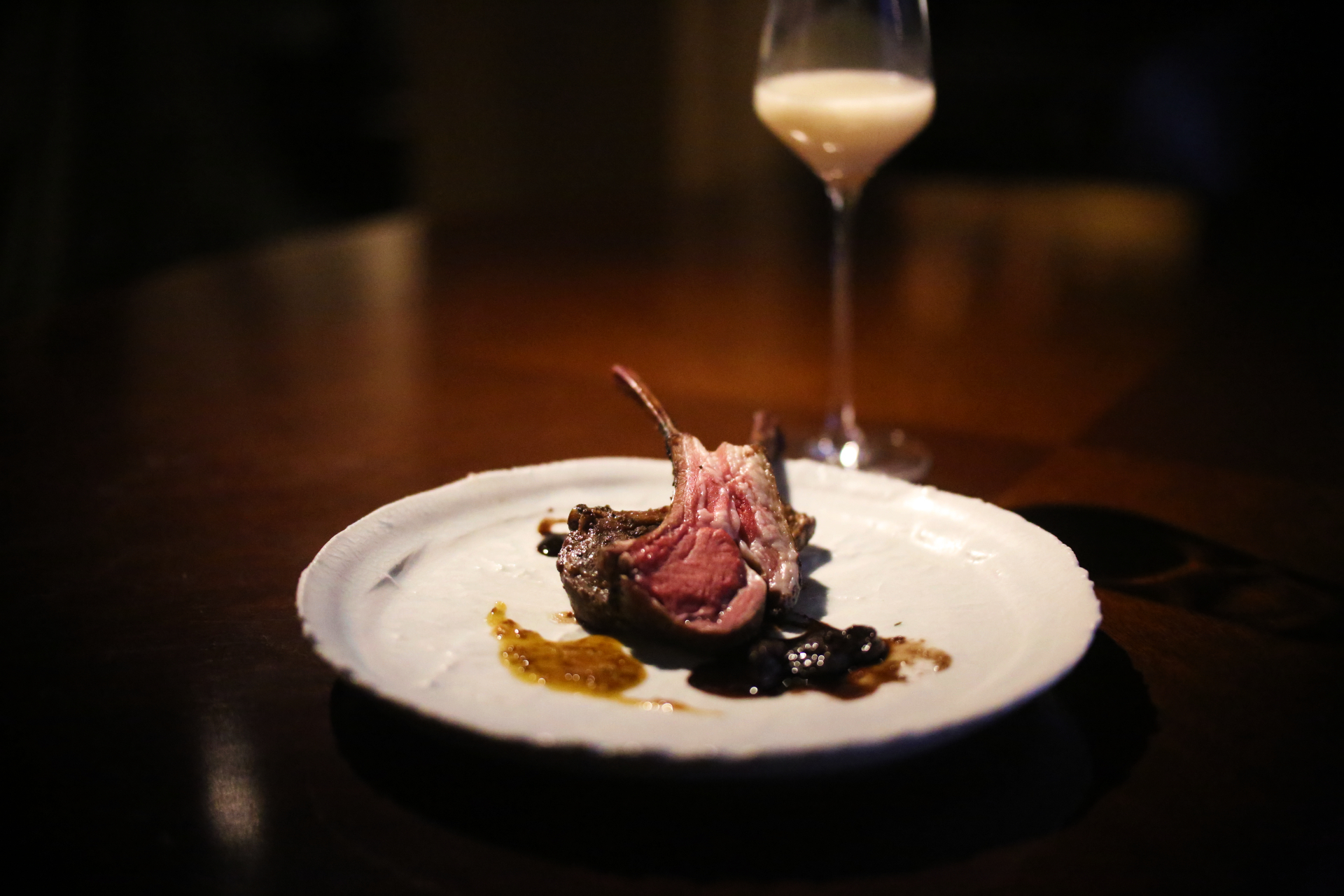
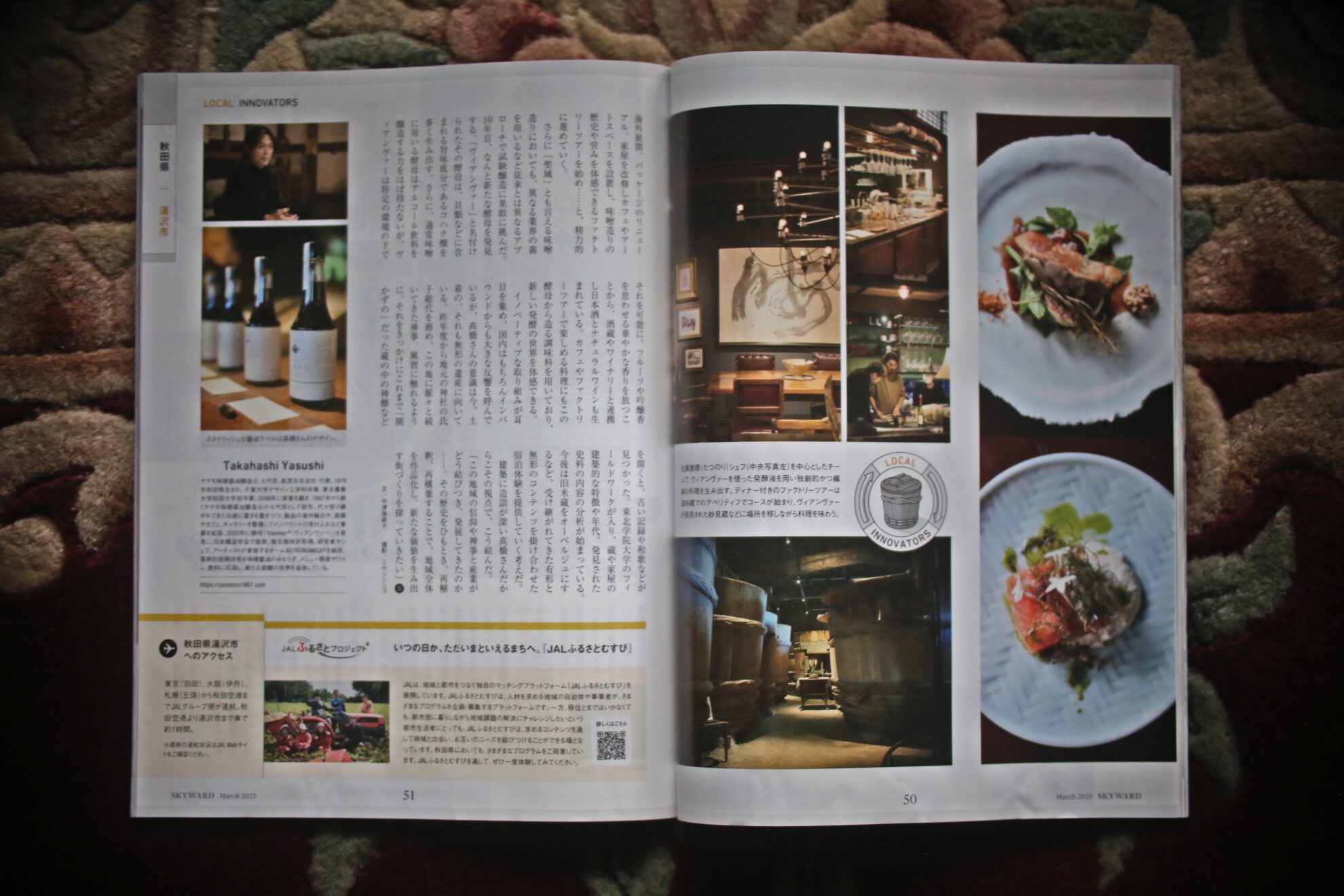
The main dish served on the dinner tour. Shirakami lamb is marinated in Viamver® brine to eliminate its characteristic gaminess and tenderize the meat. The pairing is doburoku sake commissioned from Toono-ya (Iwate Prefecture).
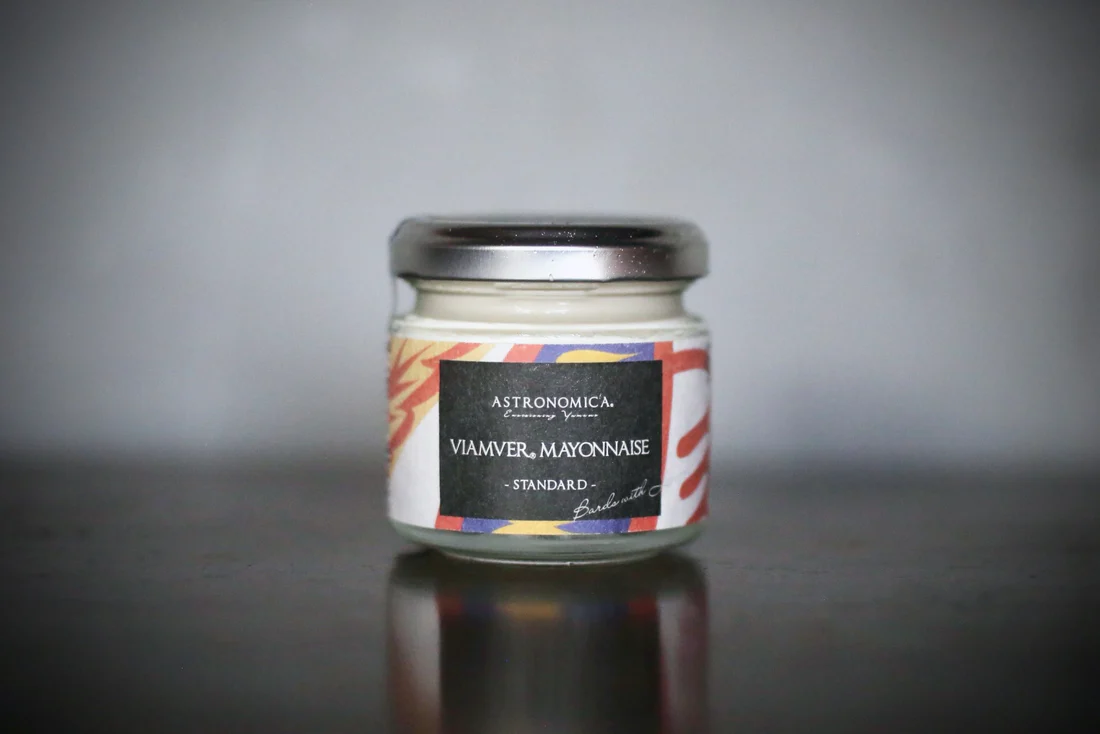
Viamver® MAYONNAISE A fermented mayonnaise made with rice koji and soy milk, without egg yolks. Its sour cream-like tang and mellow flavor pair well with salads and salmon.
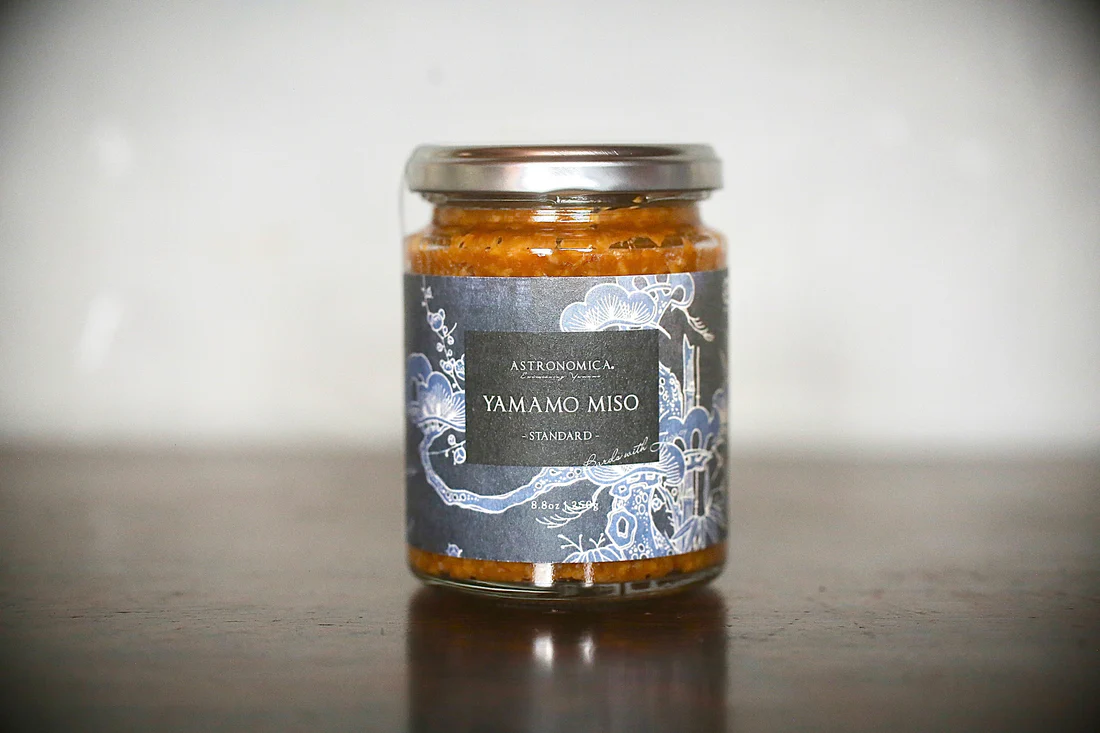
Nameko Mushroom and Tofu Miso Soup Made with “Yamamo Miso” The miso that served as the foundation for the discovery of “Viamver®” yeast. By limiting salt content to 8%, it delivers a finish where you can better appreciate the sweetness of the koji and the umami imparted by the yeast. It transforms an ordinary, everyday miso soup into a memorable bowl.
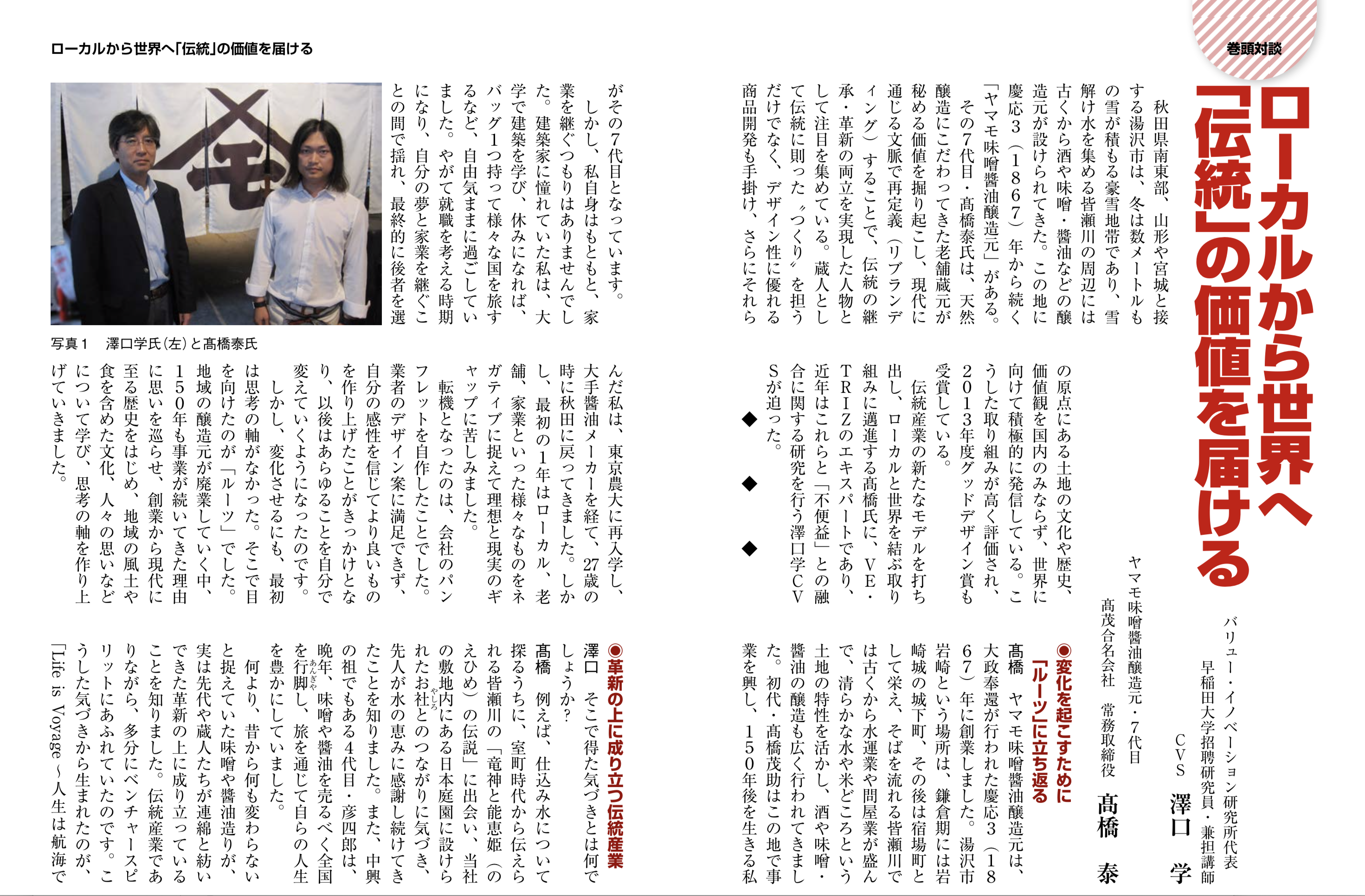
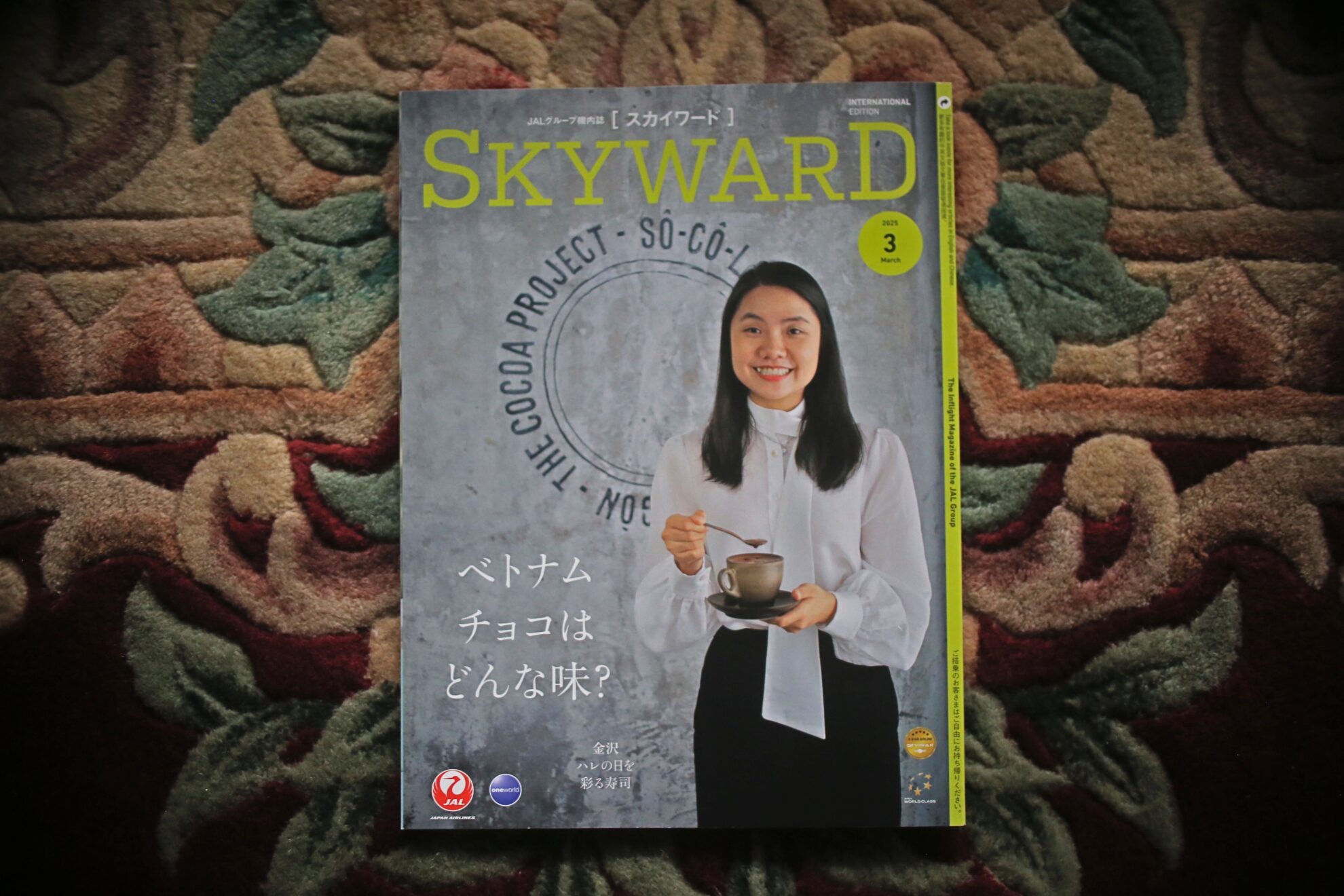
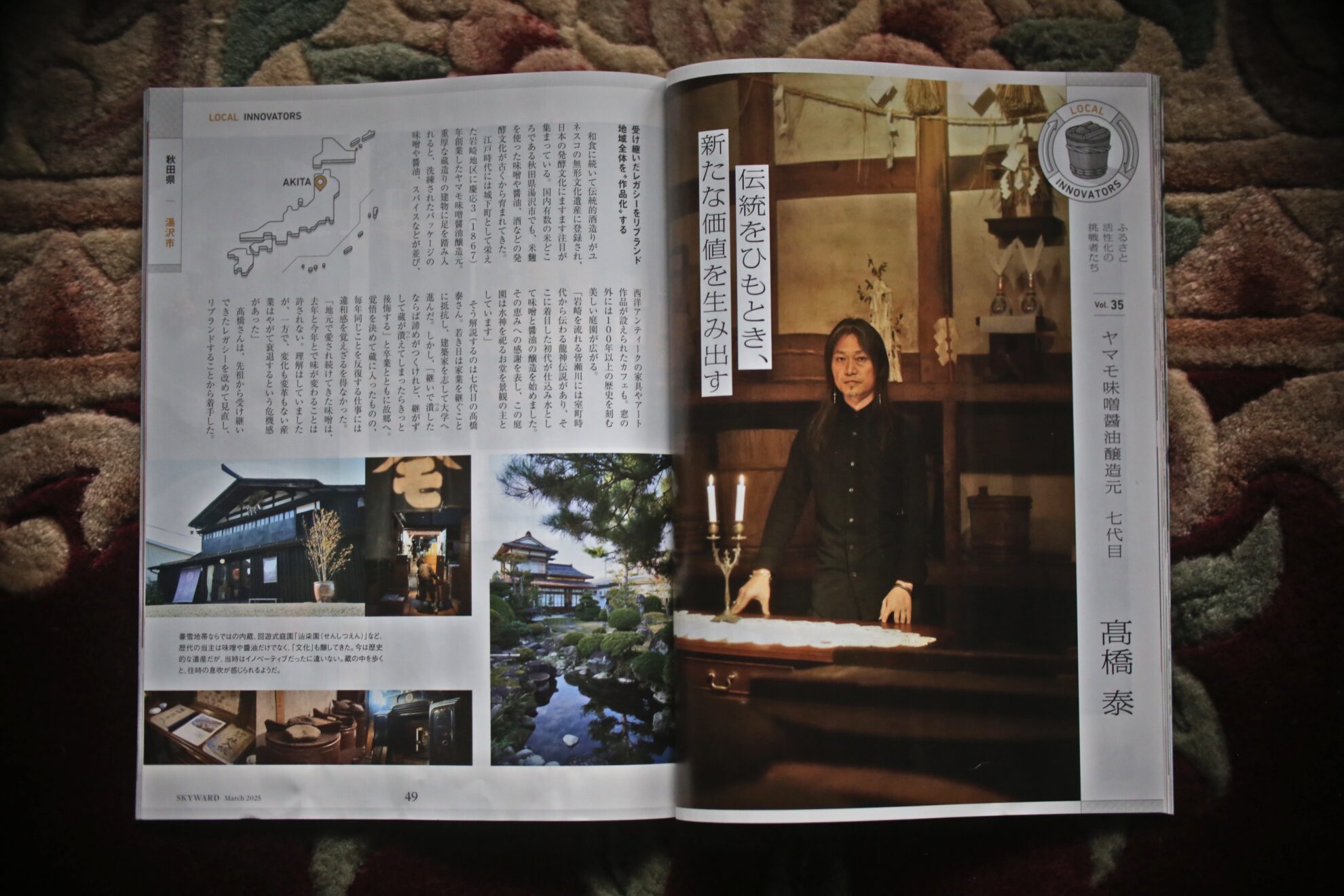
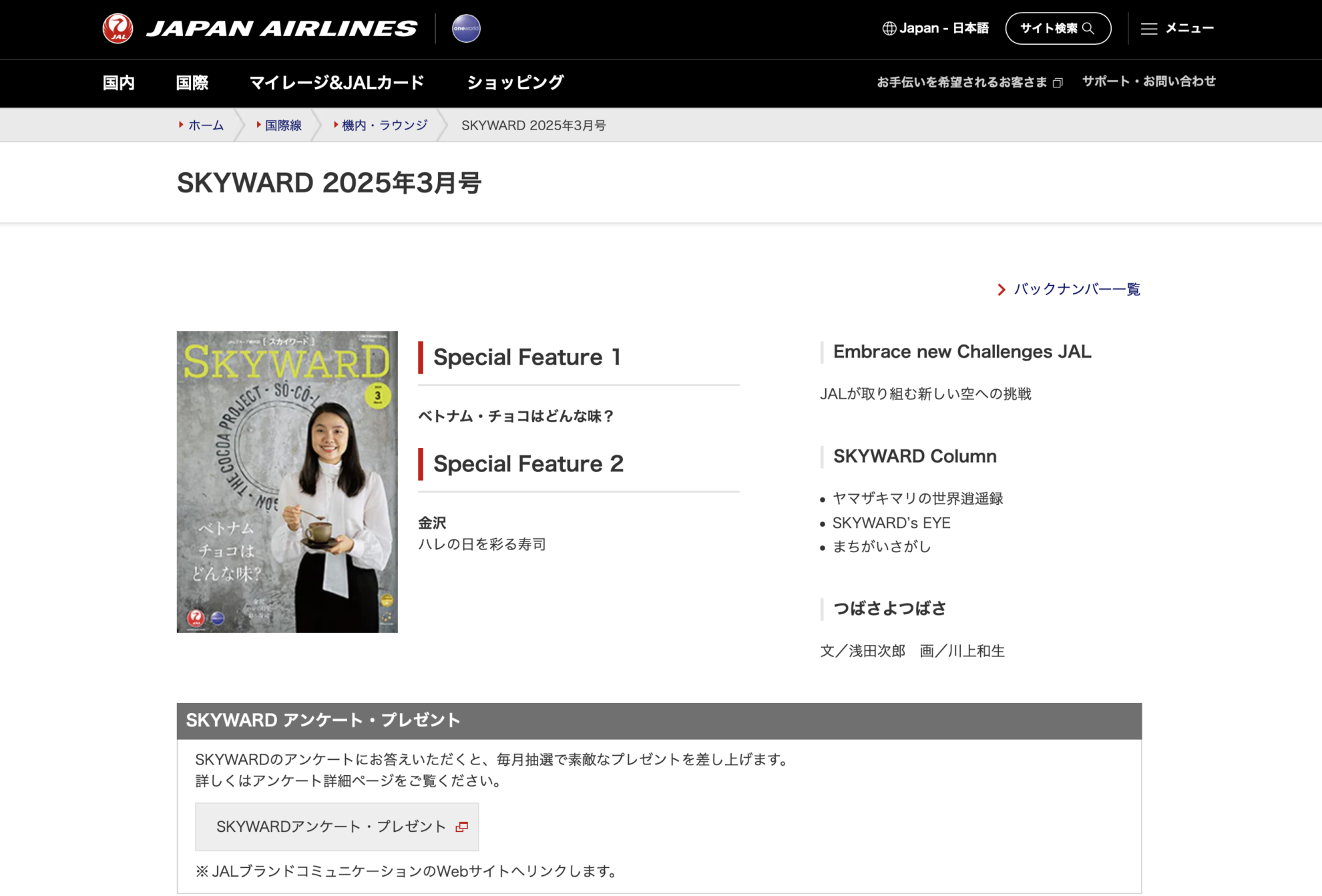
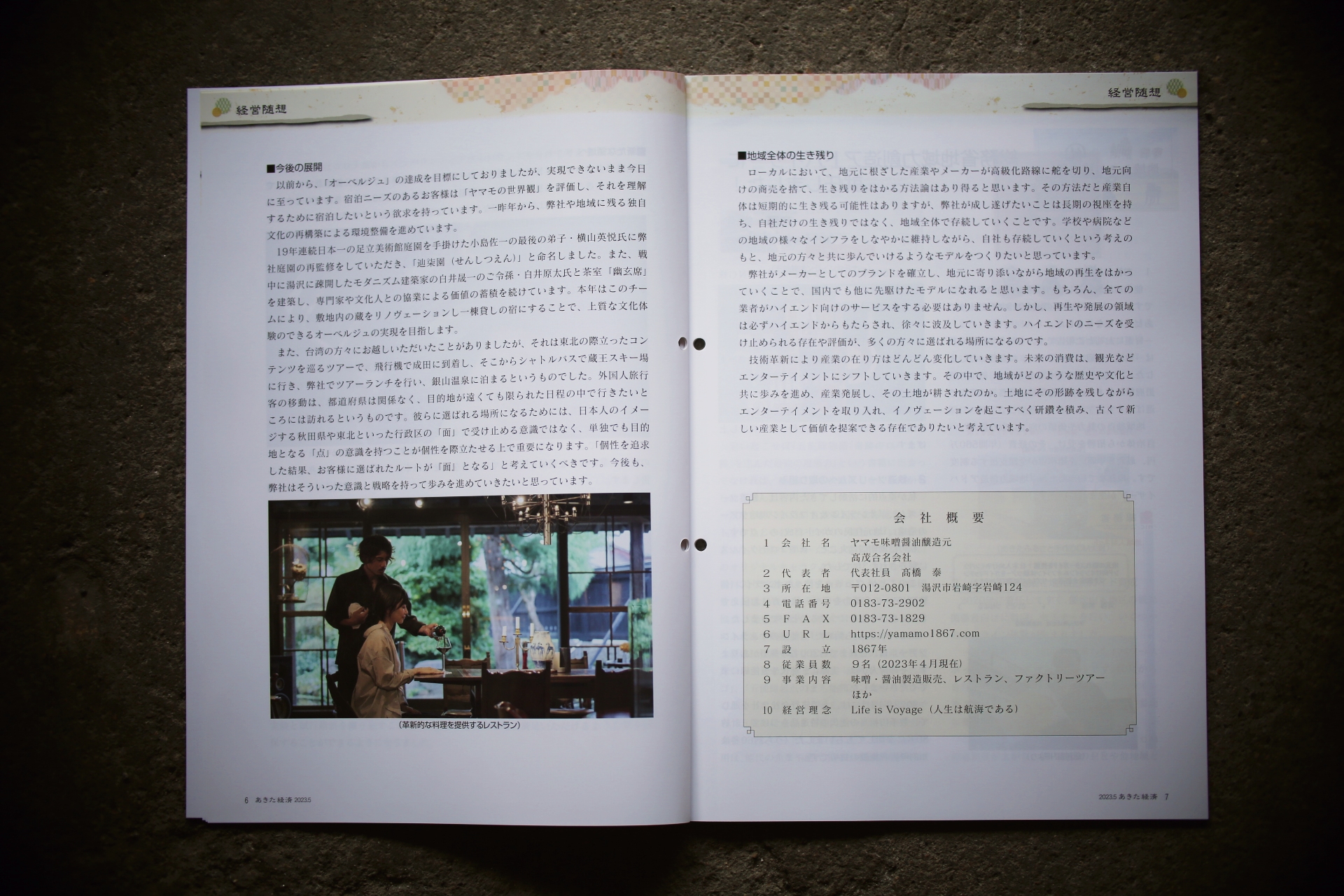
JAL Group’s in-flight magazine “SKYWARD” featured an article on the activities of the seventh generation Takahashi family in the “LOCAL INNOVATERS: Challengers of Hometown Revitalization” section. I was able to talk about the family’s miso and soy sauce brewing business and the Hachiman Shrine’s Ujiko (shrine attendant) role that the Takahashi family has continued to play for generations. The family business and Shinto rituals were originally connected, but as faith has waned with modernization, it is both strange and inevitable that they have once again become linked in my own mind. I am searching for ways to give form to this sense of personal connection through our services and products. I would like to explore the original role of the brewery and how it should be. We invite you to read our articles._mediainfo._magazine
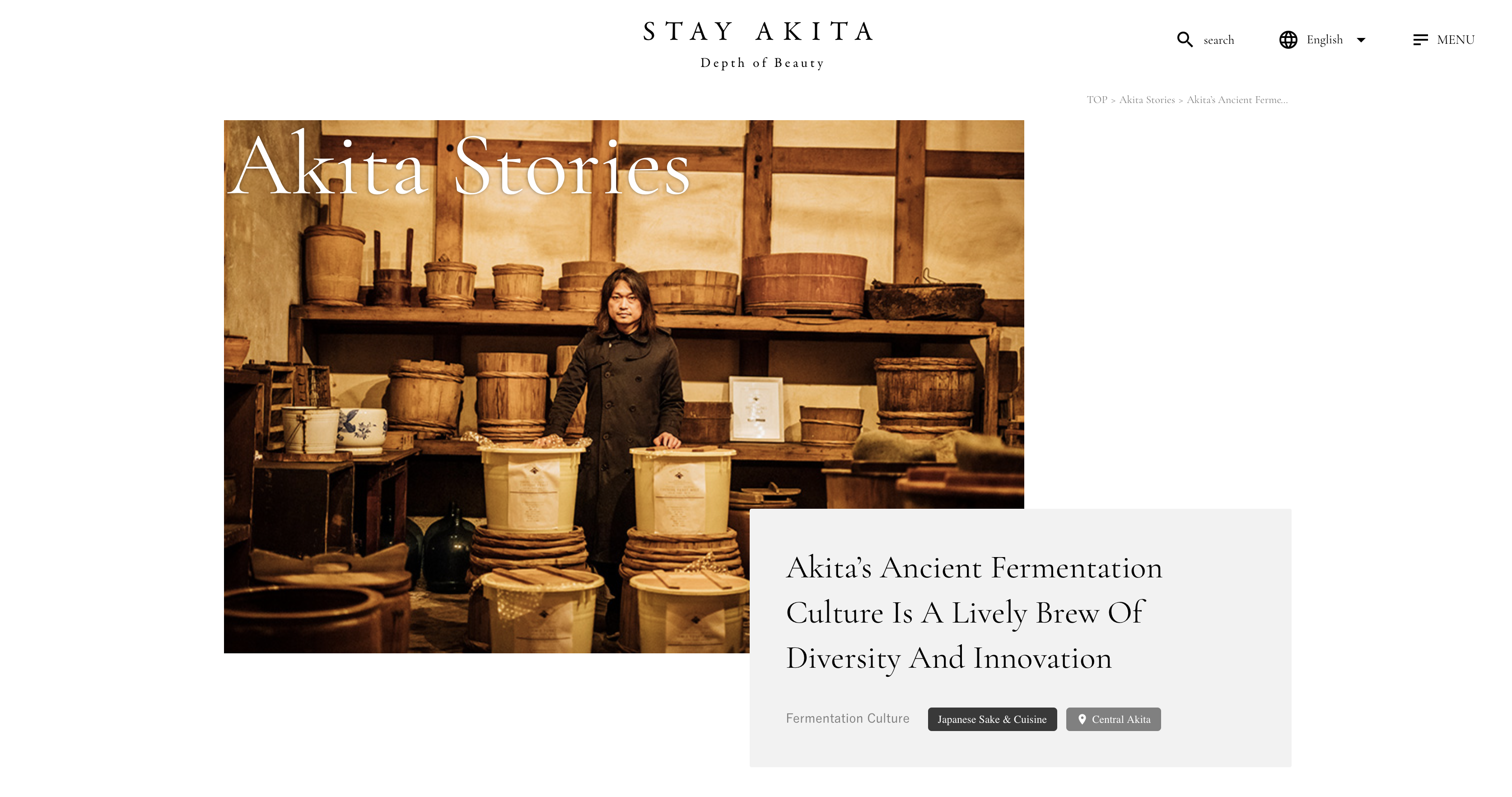
Challengers of Hometown Revitalization Yamamo Brewery Yasushi Takahashi, 7th generation
Creating New Value by Unraveling Tradition
Text / Asako Nakatsumi Photography / Shingo Miyaji
Rebranding the inherited legacy Making the entire region into a “work of art
Following Japanese food, traditional sake brewing has been registered as a UNESCO Intangible Cultural Heritage, attracting more and more attention to Japan’s fermentation culture. Yuzawa City in Akita Prefecture, one of Japan’s leading rice-producing regions, has long nurtured a fermentation culture that includes miso, soy sauce, and sake made with rice malt. The Yamamo Brewery was founded in 1867 in the Iwasaki district, which prospered as a castle town during the Edo period. Stepping into the stately warehouse building, you will find miso, soy sauce, and spices in sophisticated packaging, as well as a café with antique Western furniture and artwork. Outside the window is a beautiful garden with over 100 years of history.
The legend of the dragon god that has been told since the Muromachi period (1336-1573) is said to have existed along the Minase River, which flows through Iwasaki, and the first generation of the company focused on this legend and began brewing miso and soy sauce as a preparation water. To express our gratitude for this blessing, this garden features a hall dedicated to the water god as the main feature of the landscape,” explains Yasushi Takahashi, the seventh generation owner. As a young man, he resisted the idea of taking over the family business and went to college with the intention of becoming an architect. However, he returned to his hometown upon graduation, saying, “If I took over the brewery and crushed it, I could give up, but if I did not take over and the brewery crushed, I would surely regret it.
He entered the brewery with determination, but he could not help but feel a sense of discomfort in a job where he had to do the same thing over and over every year. The miso that has been loved by the locals cannot be allowed to taste different from last year to this year. I understood that, but at the same time, I had a sense of crisis that an industry without change and innovation would eventually decline.” Mr. Takahashi began by reevaluating and rebranding the legacy that had been passed down from his ancestors.
The company has been vigorously expanding overseas, renewing its packaging, renovating a house to create a café and art space, and starting factory tours that allow visitors to experience the history and operations of miso making…. In the 10th year, they discovered a new yeast named “Viamver®”.
The yeast named ‘Viamver®’ produces a large amount of succinic acid, a flavor component found in shellfish. Furthermore, while the yeasts typically used in miso have almost no ability to ferment alcoholic beverages, Viamver® can do so under certain conditions. It emits a bright aroma reminiscent of fruits and ginjo sake, leading to collaborations with sake breweries and wineries to produce both Japanese sake and natural wine. The seasonings made from this yeast are also used in dishes that can be enjoyed at cafes and factory tours, offering an experience of a new world of fermentation.
This innovative approach has attracted widespread attention and garnered a strong response not only domestically but also among inbound visitors. However, Mr. Takahashi’s focus is now on local, intangible heritage. Since last year, he has served as a representative of parishioners for the local shrine, engaging with the rituals and customs that have continued in this area for generations. This led him to open shrine shelves within the storehouse that had previously been ‘closed off,’ where he discovered old records and traditional poems. Fieldwork by Tohoku Gakuin University has begun, analyzing the architectural features and ages of the storehouses and homes, as well as the content of the discovered historical materials.
In the future, the plan is to turn the old rice warehouse into an auberge and offer lodging experiences that combine the tangible and intangible contents that have been passed down from generation to generation. Mr. Takahashi, who has a deep knowledge of architecture, concluded with his own perspective. How have the region’s beliefs and rituals been connected to its industries and how have they developed? By reinterpreting and reconstructing this history, we would like to create a work of art for the entire region and explore urban development that creates new value.
.
Takahashi Yasushi Seventh generation head of Yamamo Brewery and representative of TAKAMO&Corp. In 2006, he took over the family business and became the seventh generation of the Yamamo Brewery, which has been in business since 1867. In 2020, he discovered the yeast “Viamver®” and presented it at the Japanese Society of Brewing Science. Obtained a patent for the microorganism. Formed ASTRONOMICA®, a team of researchers, chefs, and artists, to apply innovative fermentation technology not only to miso and shoyu, but also to menu development, wine, and beverages, in pursuit of a new world of fermentation.
The JAL Group’s in-flight magazine “SKYWARD” is carried on international and domestic flights and includes features on overseas and domestic travel narrowed down from unique perspectives, interviews with topical people, interesting essays, information on various events, as well as notices and special offers from the JAL Group, route maps, etc. It also includes JAL Group announcements, special offers, route maps, and more.
News of Article Publication_LIXIL eye JANUARY 2023 no.28
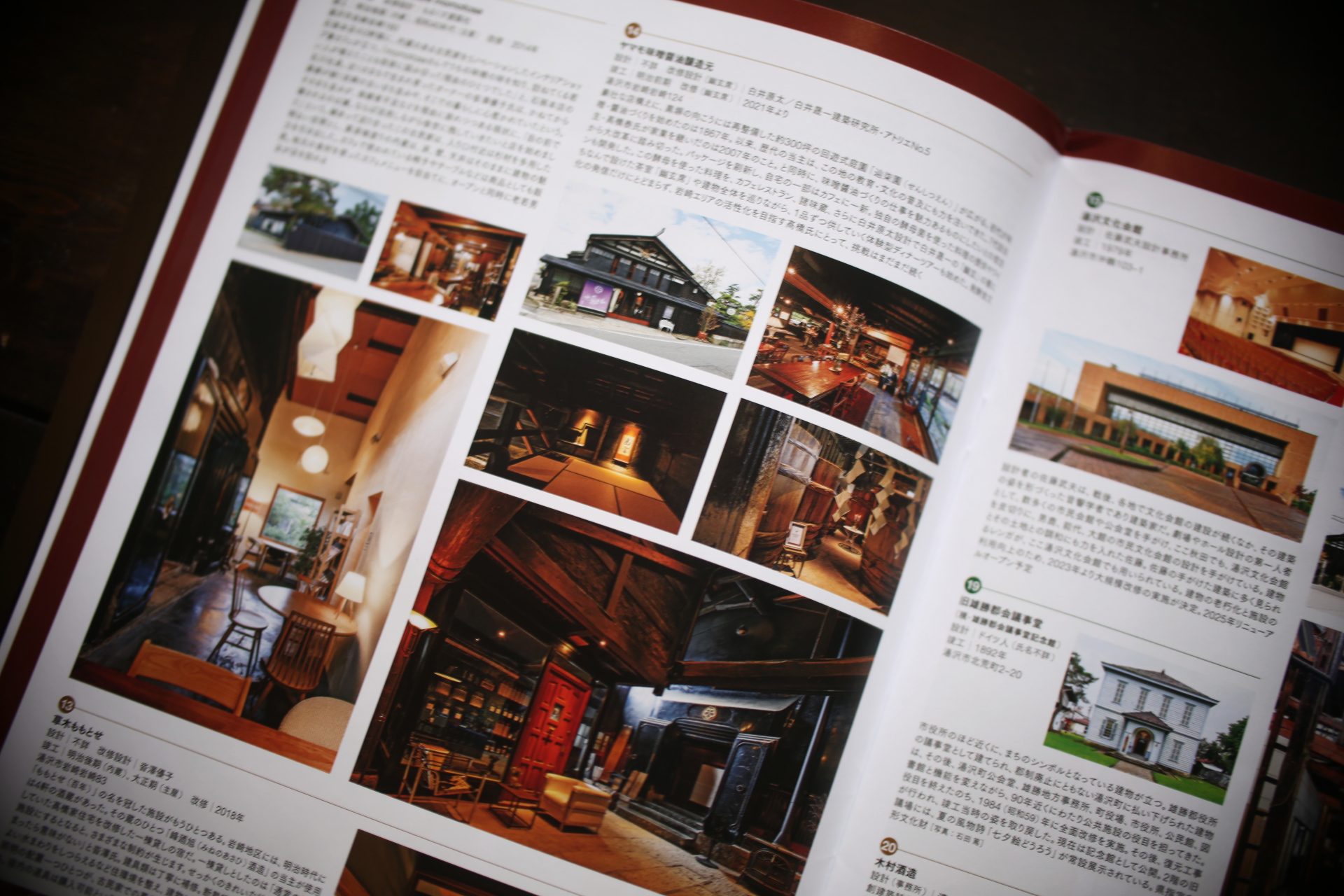
LIXIL eye”, an information magazine on architecture and urban development, features the work of Yamamo. Mr. Genta, a grandson of Seiichi Shirai, carefully guides visitors through the architectural complexes left behind by Seiichi Shirai. The article contains information that cannot be found even in books related to Seiichi Shirai. The interview team also visited our company and had a chance to talk with him, including the use of our restaurant, and exchange opinions with him often.
We have been in contact with Mr. Genta since 2010, and we have been working together with him on the tea house, garden, and other stately initiatives. I was deeply moved by the fact that the “Yugen-seki,” which is the basic information about the building and his work with Mr. Genta, will remain as the name of the building.
Many architectural works were born from the relationships with the “masters” that Seiichi Shirai came in contact with in Yuzawa, and they shaped the city. Their work has been handed down to future generations. We are delighted that our work has played a part in this and that we are able to stay close to the community throughout the ages. We will continue to pursue what only we can do, connecting industry and culture. Please take a look at our magazine._mediainfo._magazine
News of Article Publication_LIXIL eye JANUARY 2023 no.28
LIXIL eye”, an information magazine on architecture and urban development, features the work of Yamamo. Mr. Genta, a grandson of Seiichi Shirai, carefully guides visitors through the architectural complexes left behind by Seiichi Shirai. The article contains information that cannot be found even in books related to Seiichi Shirai. The interview team also visited our company and had a chance to talk with him, including the use of our restaurant, and exchange opinions with him often.
We have been in contact with Mr. Genta since 2010, and we have been working together with him on the tea house, garden, and other stately initiatives. I was deeply moved by the fact that the “Yugen-seki,” which is the basic information about the building and his work with Mr. Genta, will remain as the name of the building.
Many architectural works were born from the relationships with the “masters” that Seiichi Shirai came in contact with in Yuzawa, and they shaped the city. Their work has been handed down to future generations. We are delighted that our work has played a part in this and that we are able to stay close to the community throughout the ages. We will continue to pursue what only we can do, connecting industry and culture. Please take a look at our magazine._mediainfo._magazine
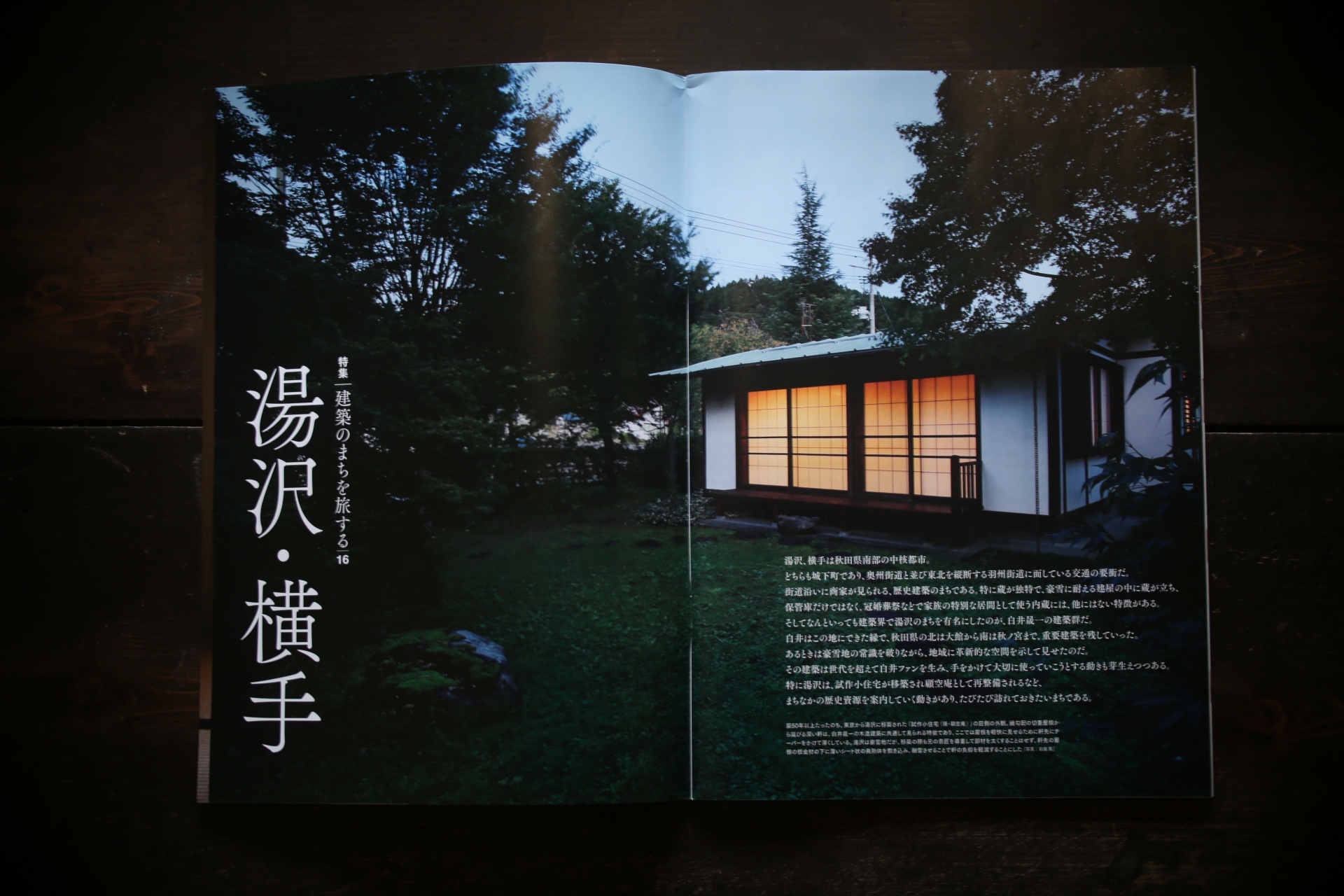
Traveling in the City of Architecture Yuzawa/Yokote
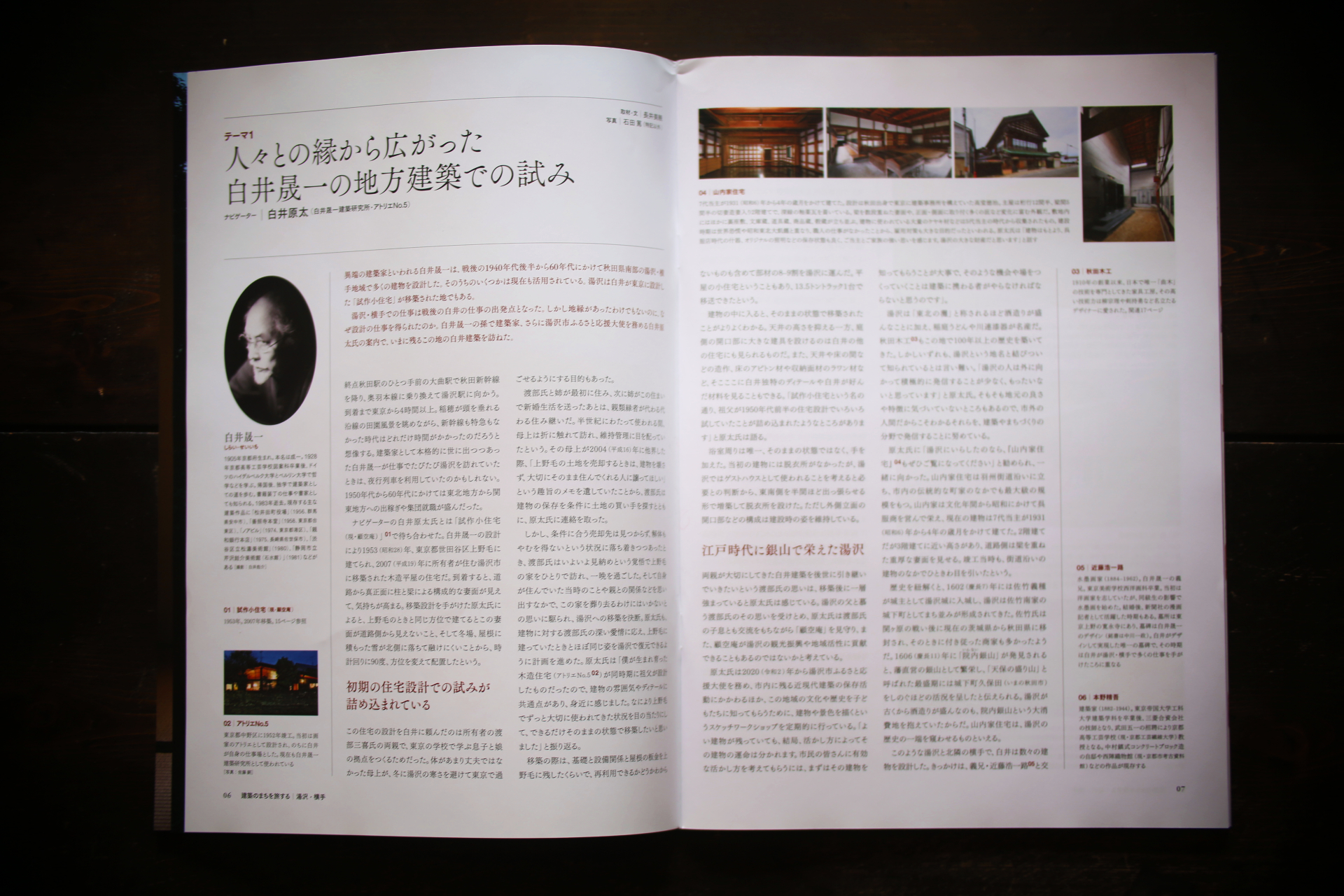
Seiichi Shirai’s attempts at vernacular architecture that spread from his relationships with people
Navigator|Genta Shirai
Seiichi Shirai, considered an unorthodox architect, designed many buildings in the Yuzawa and Yokote areas of southern Akita Prefecture from the late 1940s to the 1960s after World War II. Several of these buildings are still in use today. Yuzawa is also the site where the “Prototype Small House” that Shirai designed in Tokyo was relocated.
The work in Yuzawa and Yokote became the starting point for Shirai’s postwar work. But how was he able to obtain design work when he had no geographical ties to the area? We visited Shirai’s architectural works in this area, which still remain today, guided by Mr. Genta Shirai, grandson of Seiichi Shirai, architect, and Yuzawa City hometown support ambassador.
<Overview>
Shirai began working on public buildings in his later years, and few of the buildings he designed in his early years can actually be seen. However, in Yuzawa, there are buildings that remain in clusters, and some of them, like ryokan (Japanese-style inns), offer lodging. Why not take advantage of this and use it to revitalize Yuzawa? Mr. Yasushi Takahashi, the seventh-generation owner of Yamamo Miso Soy Sauce Brewery, will be a powerful ally for Mr. Genta. Mr. Takahashi studied architecture at university, and since taking over the family business, he has focused on creating new value for the traditional miso and soy sauce industry, while at the same time promoting community development in the Iwasaki district of Yuzawa City, where he is based.
Since his first visit to Yuzawa when the prototype small house was relocated, Mr. Genta has deepened his connection with the people of the area. My father, Hyosuke, has never brought me to Yuzawa, but I sometimes bring my son here. It’s not that I want him to do architecture in the future, but I wanted to show him something that was born out of my connections with people. My father once came here with my grandfather,” he says.
Shirai has created a number of architectural “objects” in Yuzawa and Yokote based on human connections. Mr. Genta is trying to create “things” in Yuzawa and Yokote based on human connections. In every generation, new movements are born from the connections among people, and Shirai’s legacy in Yuzawa is not limited to buildings alone. (Excerpts from the article)
.
Genta Shirai
Born in Tokyo in 1973, Shirai graduated from the Department of Architecture, Faculty of Fine Arts, Tama Art University in 1997. After working for a design firm, he joined the Shirai Seiichi Architectural Institute in 2000. In addition to his work in architecture and interior design, he is also involved in the preservation and utilization of the work of his grandfather, architect Seiichi Shirai. Drawing cityscapes and architecture is his life’s work. He has written and edited several books, including “Shirai Seiichi’s Hands and Eyes” (Kajima Press) and “Shirai Seiichi, Talking about Architecture: Dialogue and Discussion” (Chuokoron Shinsha) He has served as a hometown support ambassador for Yuzawa City in Akita Prefecture since 2020.
.
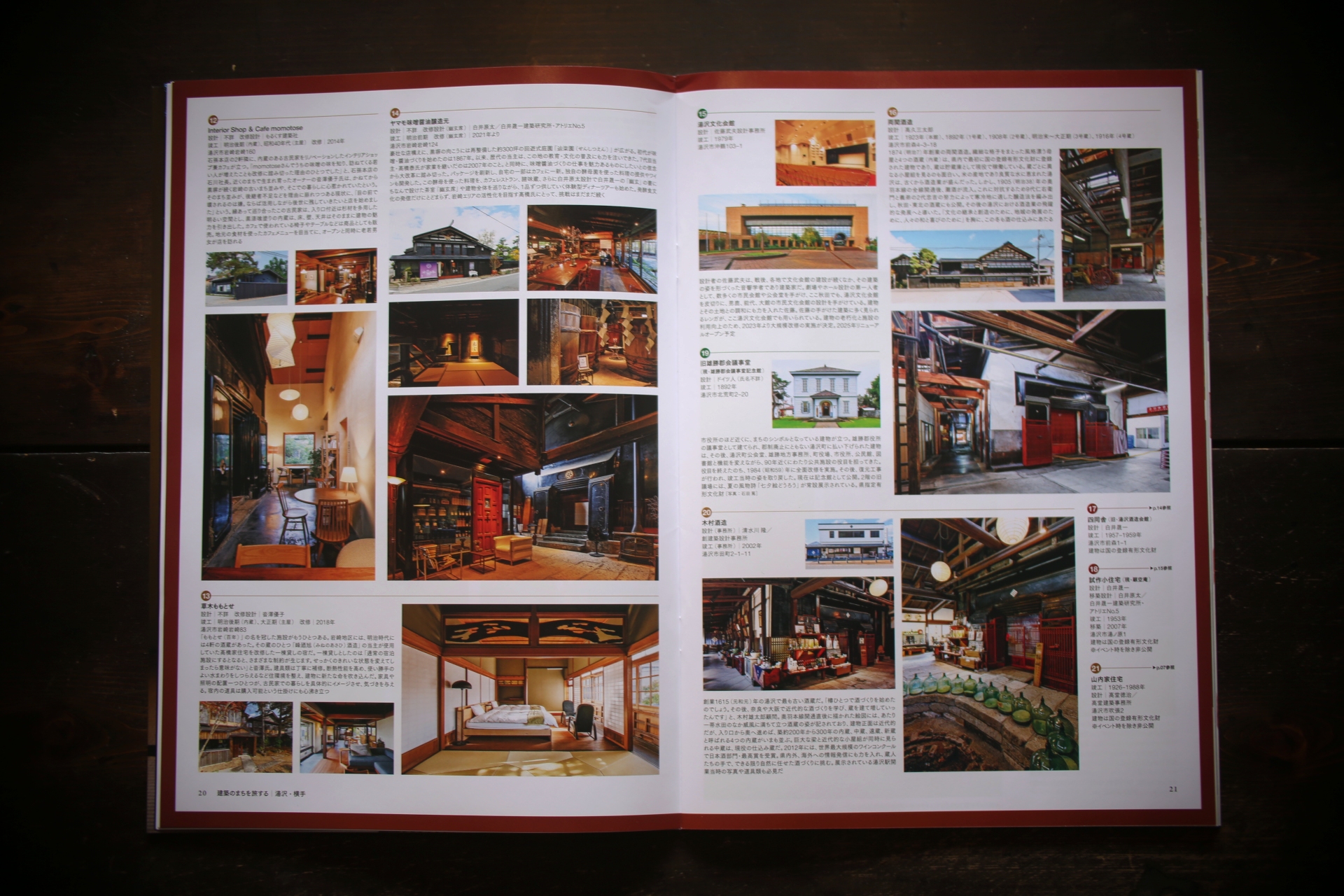
Yamamo Brewery
Design|Saiji Sato Renovation Design (Yugen-seki)|Genta Shirai / Shirai Seiichi Architectural Institute, Atelier No.5 Completed|1878 Renovation (Yugen-seki)|From 2021 124 Iwasaki, Yuzawa City
The grandiose storefront is surrounded by a redeveloped, circular garden “Senshitsuen” of approximately 3,000 square meters behind a black wall. The first generation began making miso and soy sauce in 1867. Yasushi Takahashi, the seventh generation head of the family, took over the business in 2007. At the same time, he made a major reform of the business in the belief that he wanted to make the business of miso and soy sauce making more attractive. He revamped the packaging and transformed part of his home into a café. He also started a hands-on dinner tour, where dishes made with his own yeast are served one by one in the café-restaurant, the Moromi-gura, and the “Yugen-seki,” a tea room designed by Genta Shirai and named after the calligraphy “Yugen” by Seiichi Shirai, as well as throughout the building. Mr. Takahashi’s challenge continues as he seeks to revitalize the Iwasaki area beyond the promotion of fermented food culture.
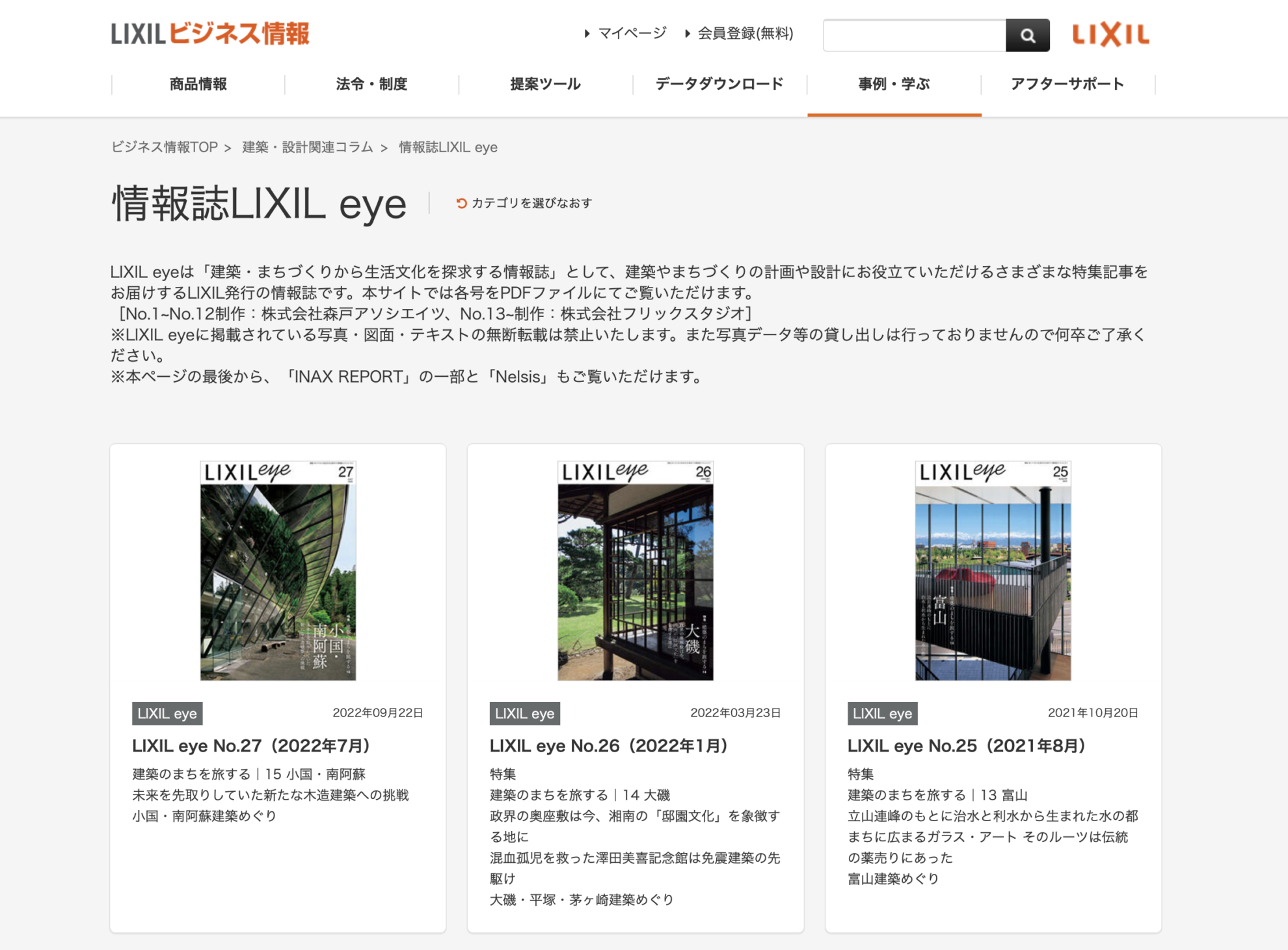
LIXIL Eye is an information magazine that explores lifestyle and culture through architecture and urban development, and provides a variety of feature articles that are useful for planning and designing architecture and urban development.