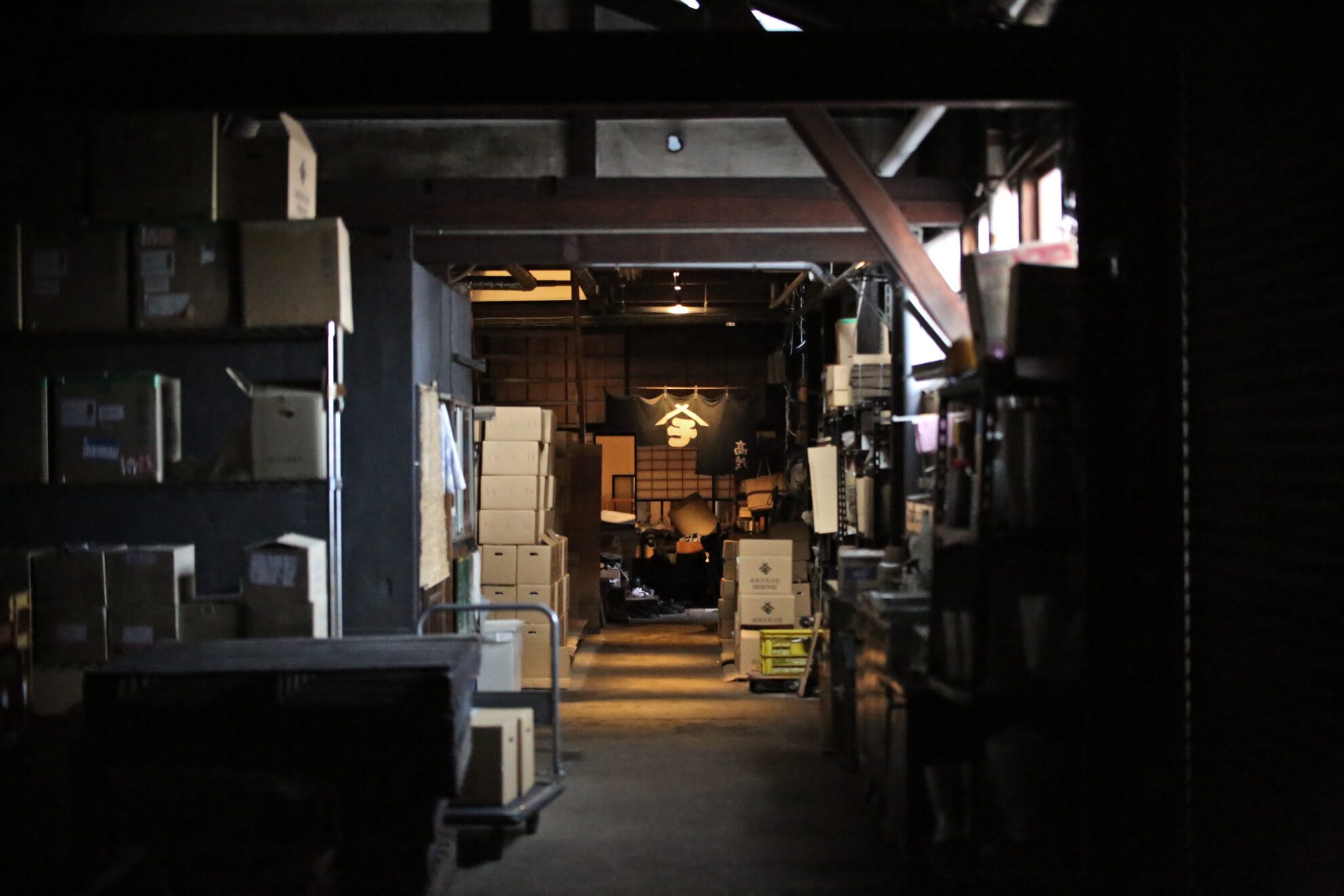
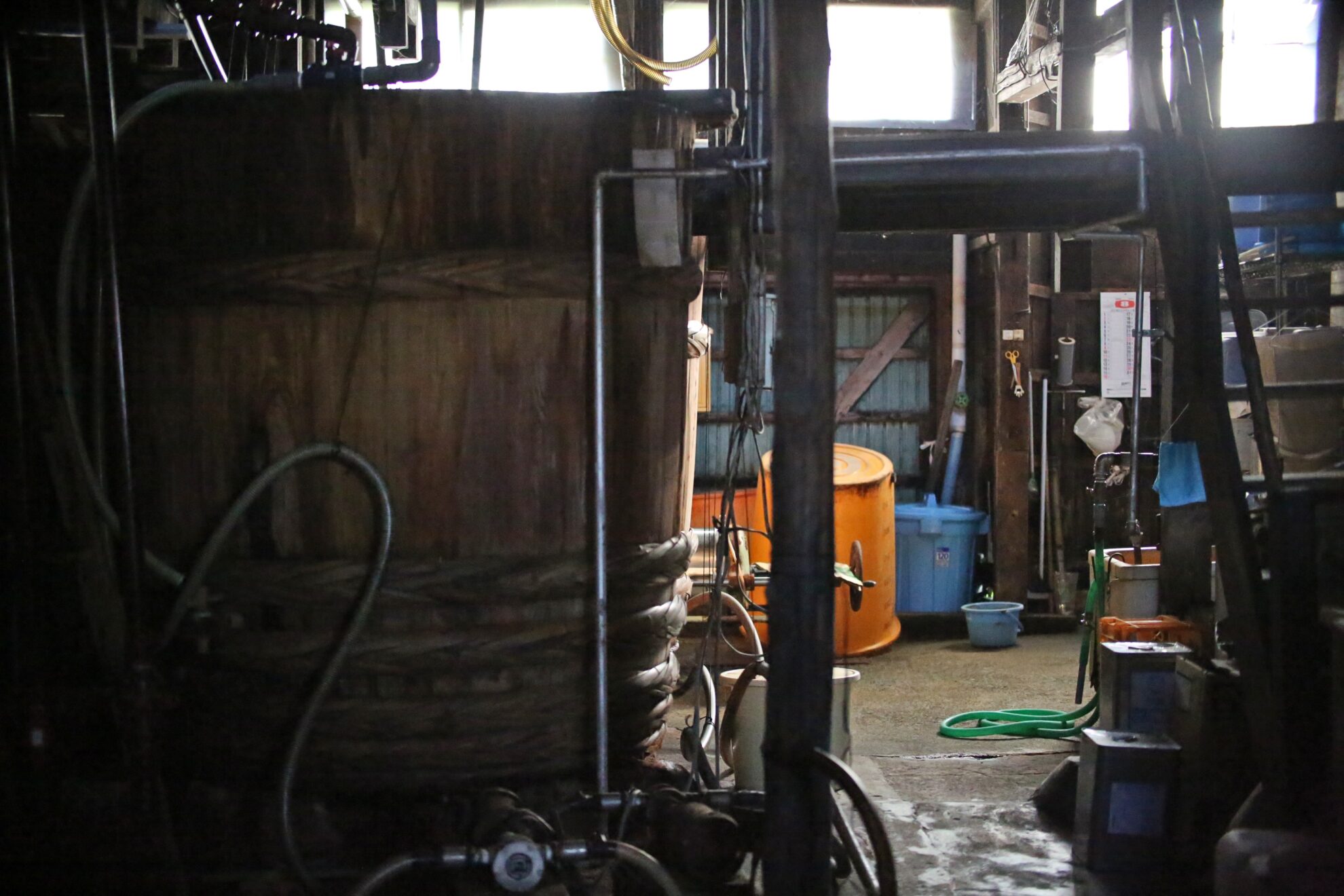
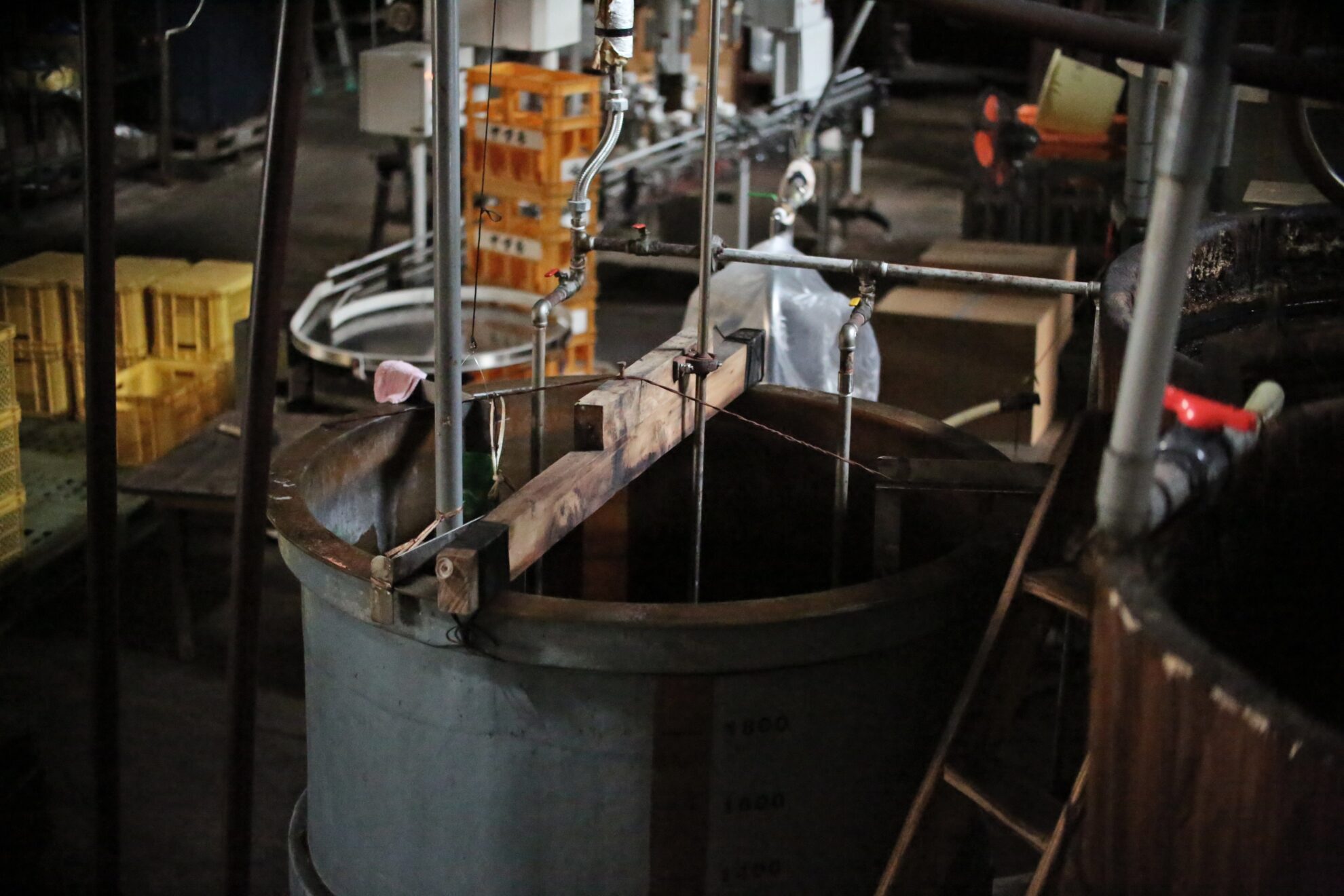
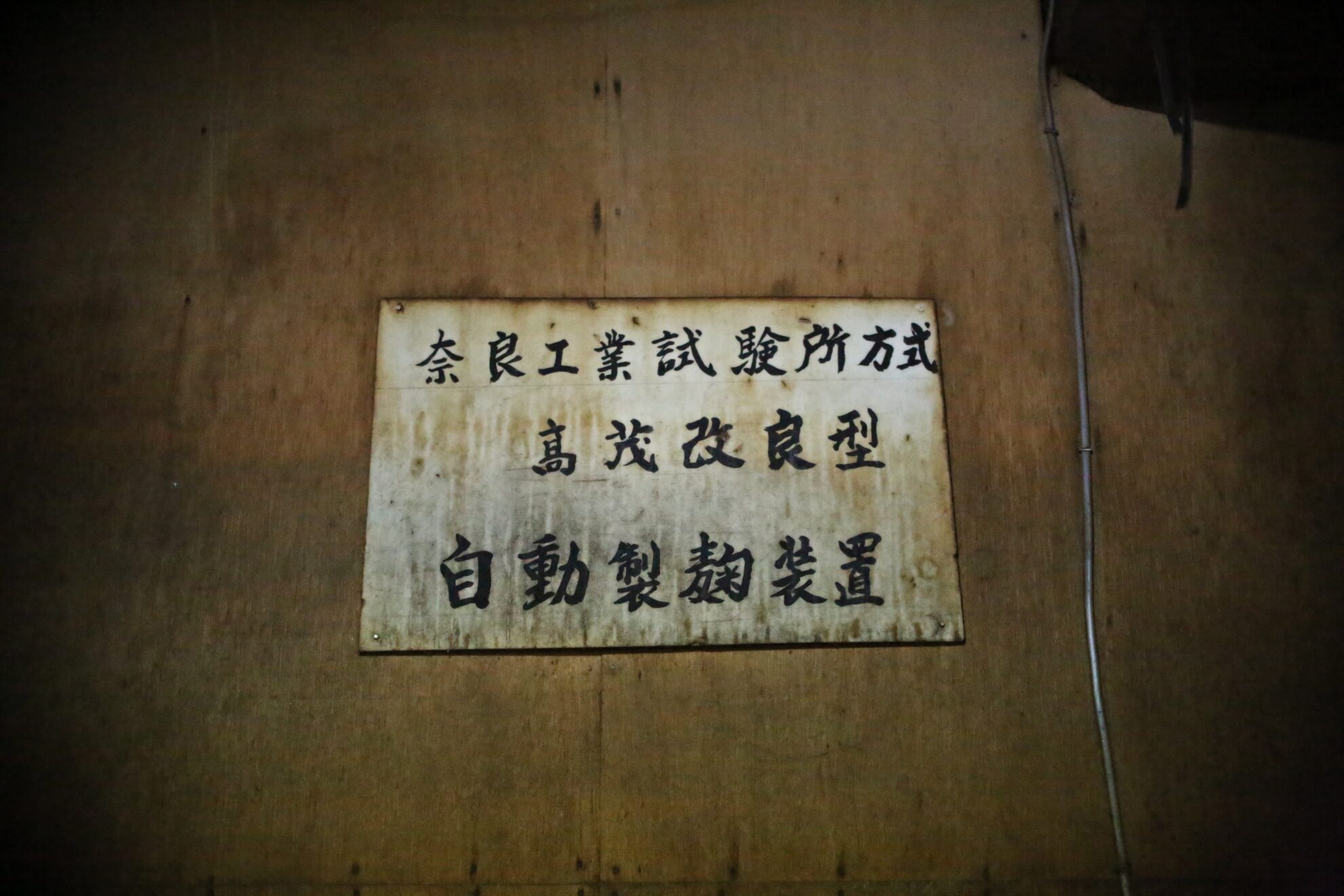
About the Presentation of the Brewing Society of Japan 2020
Yamamo Miso and Soy Sauce Brewing Company / TAKAMO & Corp. is a succinic acid of YAMAMO 001 strain found in brewed yeast at the Brewing Society of Japan 2020 Annual Meeting to be held from October 21st to 27th, 2020. We are pleased to announce the ability to generate. The presentation of the Brewing Society of Japan will be held online in response to the spread of the new coronavirus infection. _Microbiology
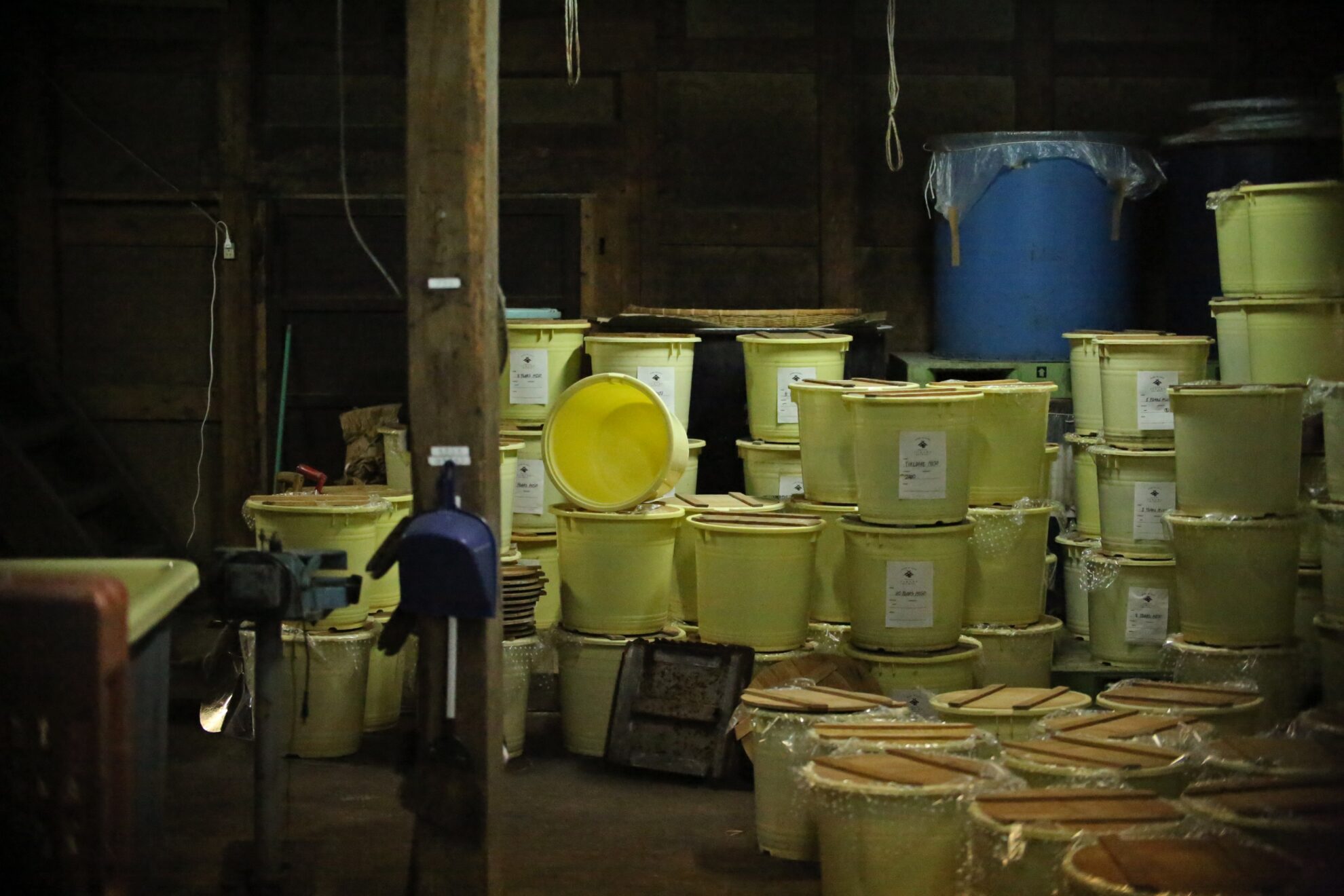
After discovering Viamver yeast (YAMAMO 001 strain), we proceeded with research, applied for a patent due to its peculiarity, and gathered evidence to make a presentation at this year’s conference. Since this year’s event will be held online, the announcement was made by submitting a pre-recorded presentation instead of the desired oral presentation. I am very grateful to the team researchers, including Mr. Kimura of the Research Center. It was a time when I realized the difficulty of continuing research while managing and turning technology into a business. Not only our company, but the management of the brewery so far is carried out between the time axis of both the technical research that creates the long-term future and the daily management that pursues short-term profit, and it remains in the present. When I think about it, I have respect for the steps and conflicts of our predecessors.
The summary of the presentation is described below. I would like to take a look at the research and considerations we have conducted. Also, if you register for a fee with the Brewing Society of Japan, you can see all of this presentation online. I would like you to take a look at the details.
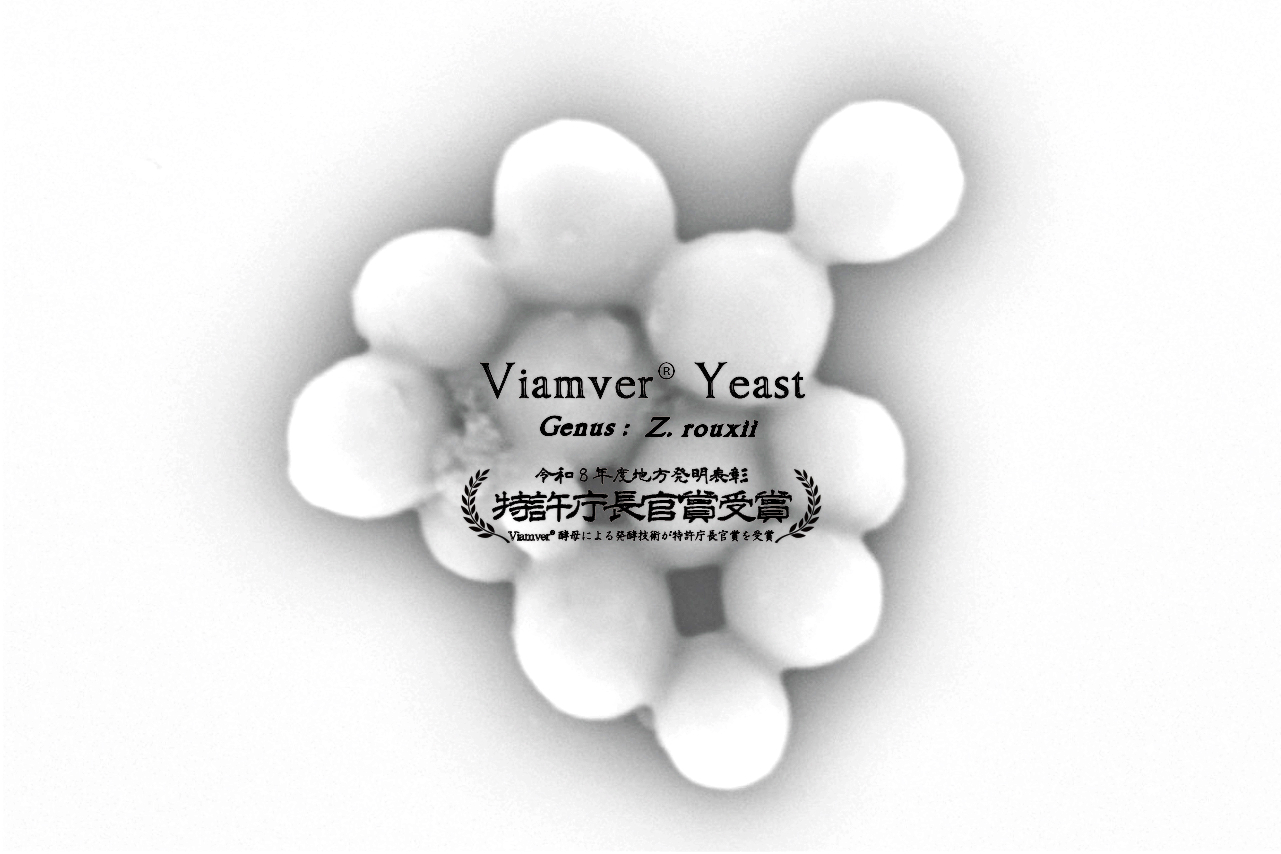
About the succinic acid-producing ability of Zygosaccharomyces rouxii YAMAMO 001 strain derived from naturally brewed miso
○ Yasushi Takahashi ¹, Kenji Uehara ², Takayuki Watanabe ², Kiichi Kimura ³ (¹ TAKAMO & Corp., ² Akita Soshokuken Brewing Experiment Station, ³ Akita Soshokuken Food Processing Research Institute)
[Purpose] Naturally brewed miso is known for its complex fermentation by fermented breweries and live yeast in wooden barrels. At the miso factory of Takamo General Partnership Company, we examined the versatility of Zygosaccharomyces rouxii YAMAMO 001 strain, a salt-tolerant miso yeast with a good apple-like scent separated from natural brewed miso prepared in wooden barrels. I found the ability to generate. We report on the mycological properties and applications, including the ability to produce succinic acid.
[Method] Four strains of commercially available salt-tolerant yeast Z. rouxii NBRC 0505 strain, NBRC 0506 strain, NBRC 1876 strain, and NBRC 1877 strain using miso or soy sauce as a separation source were used as controls. The preculture solution was prepared by statically culturing at 30 ° C. for 48 hours in YPD medium containing 5% salt. A self-made amazake or a commercially available fruit juice drink was prepared, and salt was added to a final concentration of 10% as a medium. A preculture solution of 1/100 of the volume of the medium was added, and the cells were allowed to stand at 30 ° C. for 30 days or more to obtain the main culture. During the main culture, sampling was performed over time to measure organic acids and ethanol.
[Results] When the amount of ethanol produced in fermented salt koji obtained by fermenting amazake containing 10% salt with the YAMAMO 001 strain was examined, the maximum was 3.39%. Subsequently, the succinic acid-producing ability of the YAMAMO 001 strain in fermented salt koji was examined. It was found that 107.1 mg / 100 ml of succinic acid was produced in the anaerobic culture on the 31st day of the main culture, and 227.3 mg / 100 ml of succinic acid was produced in the aerobic culture. This produced 1.5 to 1.7 times as much succinic acid as the highest value of the control strain, and the umami taste of succinic acid could be clearly felt. Regarding the succinic acid production pathway, acetic acid is not detected in the latter half of the culture, and the amount of succinic acid produced increases in aerobic culture. It was suggested that it may produce acid.
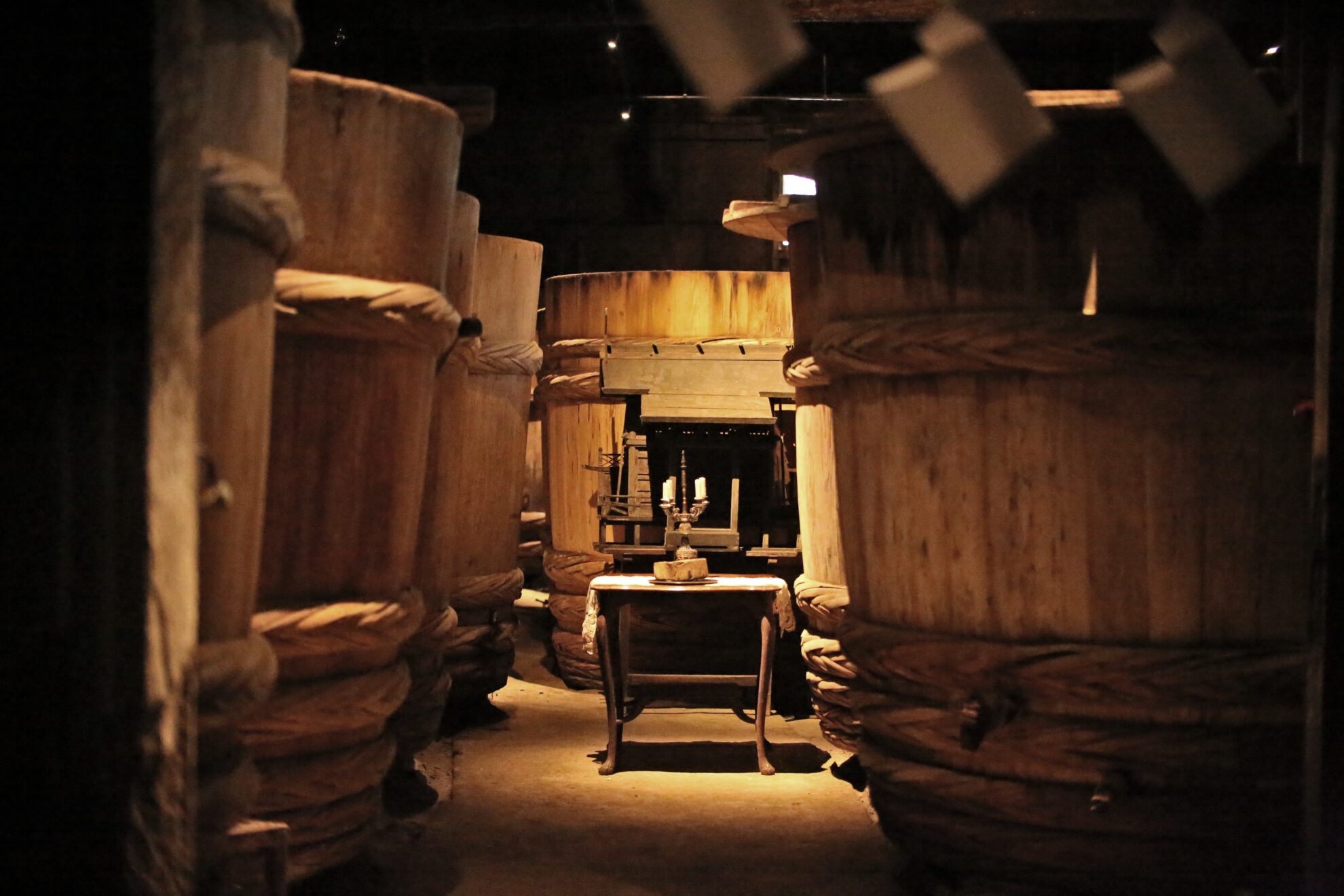
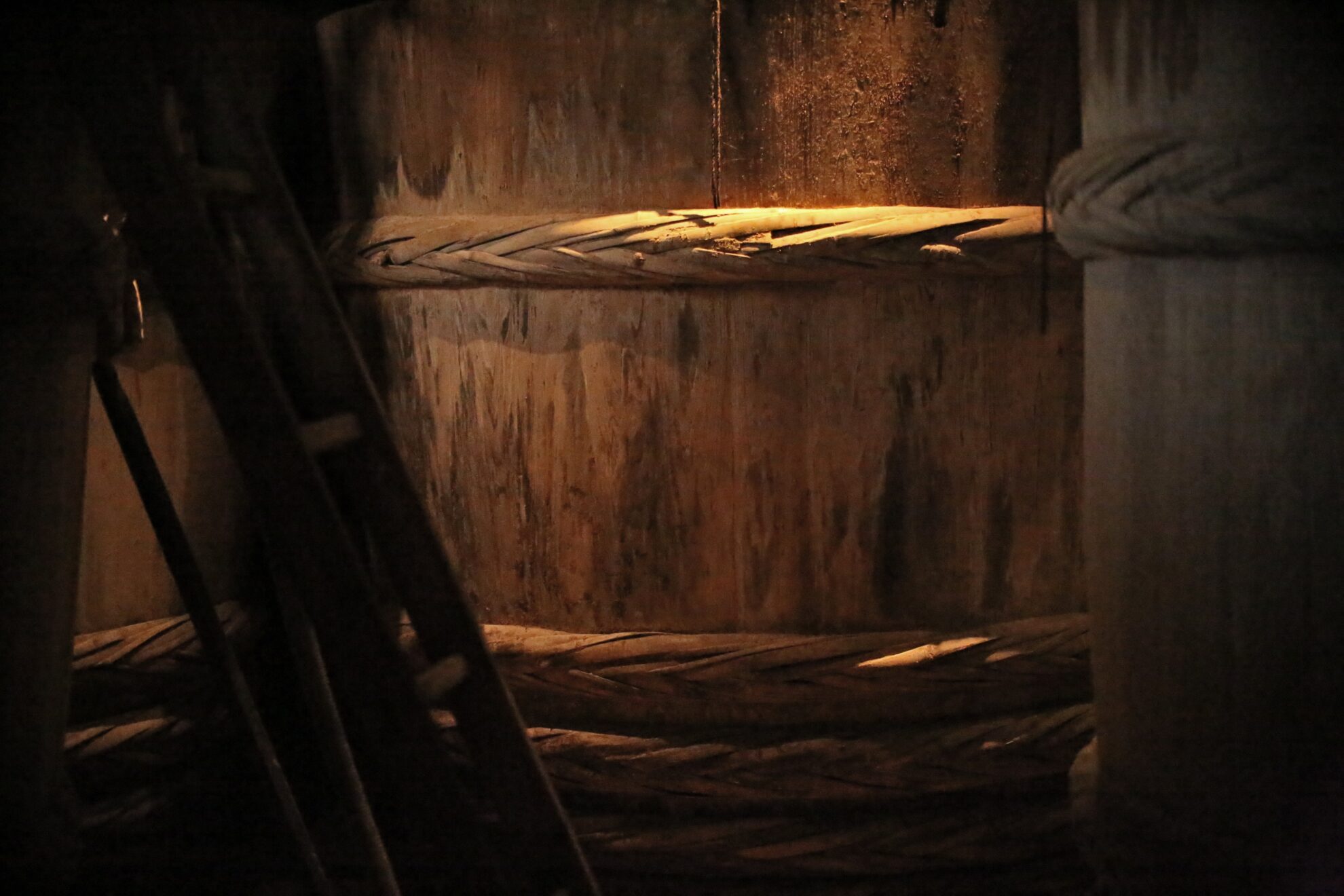
Certain temperature conditions must be met in order for microorganisms to produce the desired substances such as aroma and flavor. I think that the same was true when the ancestors used soil to create a low-temperature environment in order to create a stable environment for brewing miso soy sauce. As with the discovery of the patent application microorganism “Viamver yeast”, careful temperature control is necessary for the detailed observation of the bacteria and their properties that exhibit new effects. Go to “ASTRONOMICA Cultivator”. _Microbiology
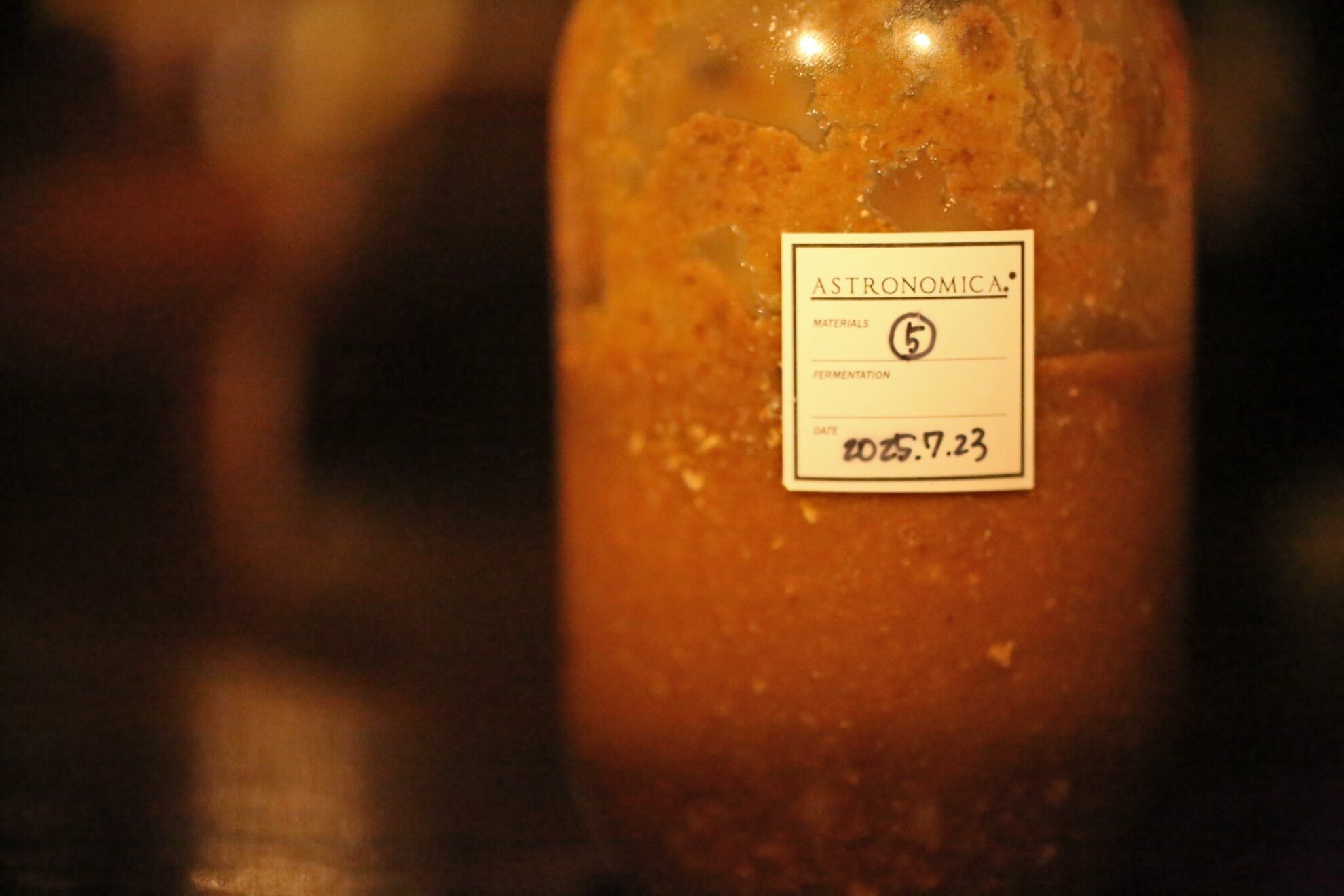
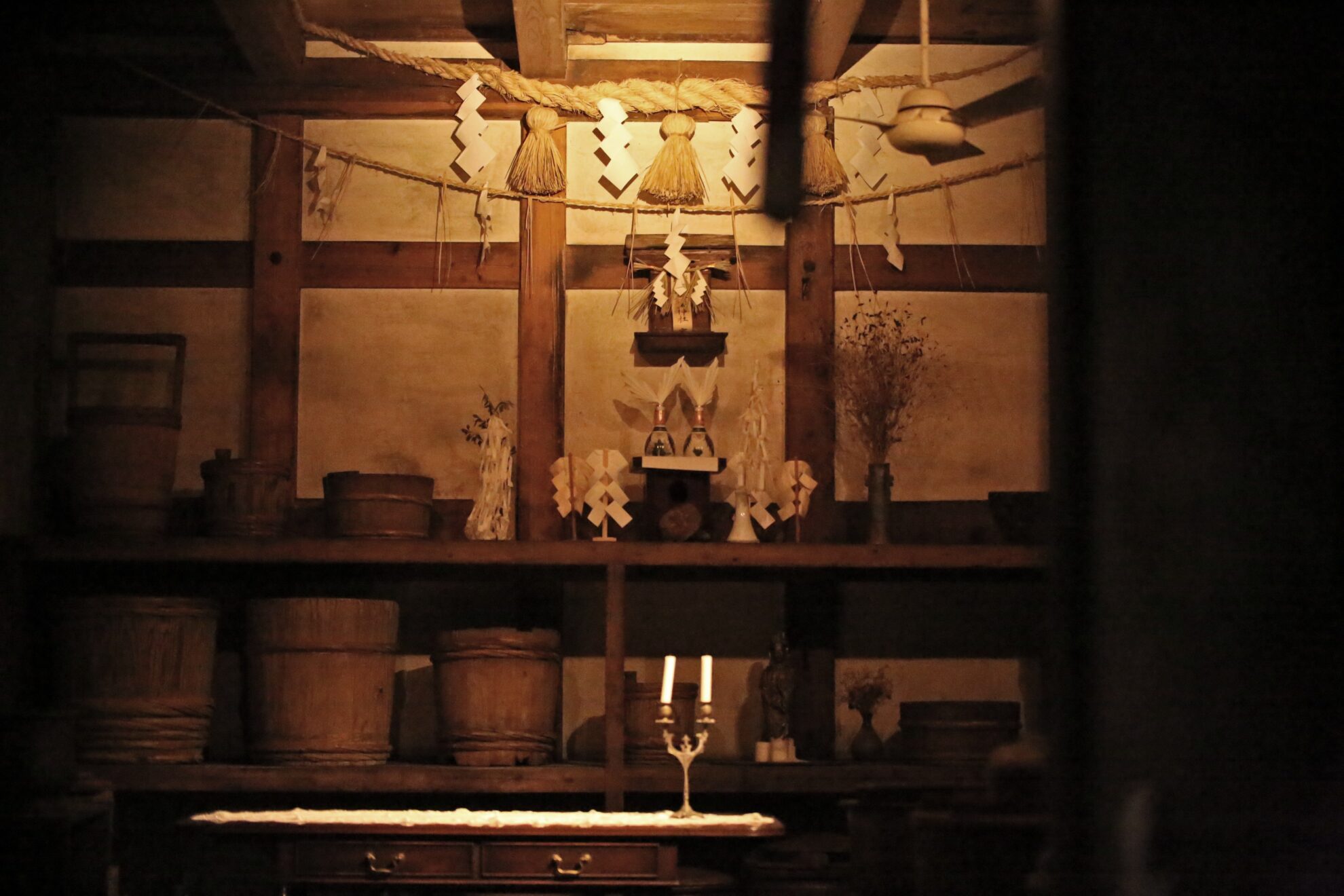
Conventional research was conducted at Moromi-Gura, which performs innovative fermentation inside the factory, but in parallel with this, the Cultivator was installed in front of the built-in facility to conduct research and development of delicate bacteria. We made it widely accessible to customers. The doors are made in the 1930s made in England, and the three sides except the back shelf are made of insulating glass. The antique materials are used to make the ritual a reminder of ASTRONOMICA, which has been named after the research and development of fungi as a dream or romance that was likened to the operation of celestial bodies, the discovery of planets and underground minerals.
Currently, in addition to culturing and fermentation of Viamver, we are isolating and cultivating five types of specific bacteria derived from last year’s test brewing, and we are continuing to observe the flavor and film formation that brew. Here, a gorgeous fragrance like fruit, which cannot be obtained with conventional brewed products, has been confirmed, and we are researching the fungus responsible for this and its characteristics. I would like to continue the pursuit of a profound world of fungi with a pioneering spirit that advances into unknown areas in the traditional industry that has been continuously conducted.
Microbial patent for Yamamo storage yeast and patent for its manufacturing method
Ten years since Takahashi took over the family business, a specific yeast was discovered in test brewing for ten years, and we have been studying this with the Akita Prefectural Food Research Center. The test brewing that we conduct meets the needs of customers who demand the same quality as last year, but we have repeated trial and error of various technologies such as handling bacteria outside the industry, changing production time and increasing or decreasing the number of processes. Was. Yeasts that clearly have superior fragrance were isolated from them, and the research was repeated with a focus on an unprecedented angle. Multiple effects were found, including a gorgeous fragrance similar to incense and improving meat quality and masking effects. Based on these facts, Yamamoto’s yeast was used as a patented microorganism, and the fermented product was applied for by a manufacturing patent. _Microbiology
Title of the invention: Salt-tolerant yeast and fermented product using the same
Application No .: Japanese Patent Application 2020-17905
Filing date: February 5, 2020
Applicant: TKAMO & Corp., Akita prefecture
There are as many bacteria in the world as the number of stars, and the substances produced vary depending on various conditions. Among them, the discovery of fungi that are delicious and healthy for humans has a probability close to the discovery of a planet. However, finding the potential there and proceeding with the efforts, and having led to such a result, are fortunate and realize the importance of working with conviction. I think that improvements will be needed before we can provide our customers with areas that have yet to be elucidated and customers. Utilizing this discovery, I would like to work on creating a delicious and healthy lifestyle and communicating that Japanese brewing technology can enrich the world.